About
IETA is a non-profit organisation representing businesses committed to smart, well-designed and effective carbon markets to help achieve the goals of the Paris Agreement and reach net-zero emissions by 2050.

Our History
Caption details here
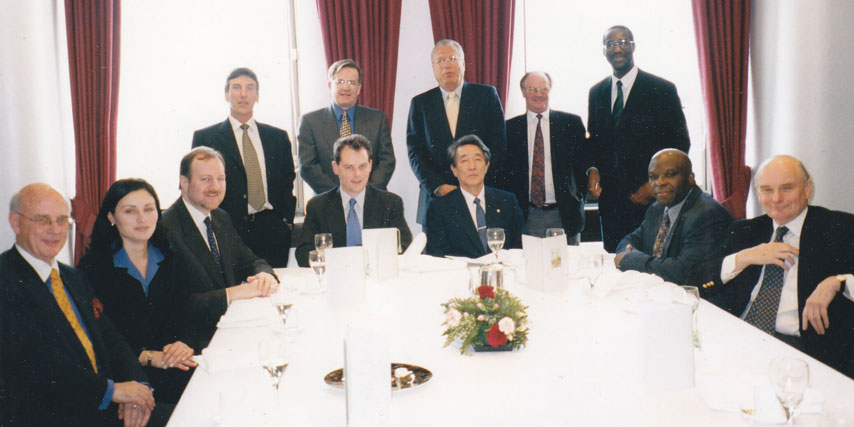
In June 1999, a visionary group of international companies and business associations established IETA. Their objective was to build on the economic mechanisms created by the Kyoto Protocol in order to achieve climate objectives with minimal economic harm.
IETA was the first international, multi-sectoral, purely business group devoted to pricing and trading greenhouse gas reductions. From the start, it had a strong focus on the Kyoto mechanisms and helped members using, hosting and investing in Clean Development Mechanism (CDM) and Joint Implementation (JI) projects by disseminating policy and market information and promoting development and reform. As markets developed, IETA expanded its work to cover the EU ETS, sub-national efforts in North America, China, Korea, New Zealand and emerging markets across Latin America. In more recent years, IETA has also developed work streams on digitisation, aviation, natural climate solutions, voluntary carbon markets, and carbon removals.
IETA has a proud history of convening carbon market participants. In 2004, IETA joined the World Bank and Koelnmesse in co-founding Carbon Expo, the first annual global carbon trade fair and conference. It continues today under the banner of Innovate4Climate, still the largest and most authoritative gathering of carbon market stakeholders. IETA built on this experience to co-organise regional Carbon Forums in Asia, Africa, Latin America and the Caribbean, and North America, offering IETA members platforms to discover new opportunities around the world.
IETA has remained true to its mission through highs and lows in market activity – and through political shifts and economic shocks. It continues to aim for excellence in harnessing market forces to deliver climate protection – to address climate challenges with market solutions and to make net zero possible.
-
IETA’s trusted business voice facilitates carbon markets to be optimised and net zero by 2050 is achieved
-
IETA’s mission is to:
- Empower business to engage in climate action and pursue net zero ambitions to advance the Paris Agreement’s objectives, and
- Establish effective market-based trading systems for GHG emissions and reductions that are environmentally robust, fair, open, efficient, accountable and consistent across national boundaries.
In pursuit of our mission, IETA works in collaboration with other stakeholders to:
- Develop components of the GHG market and trading systems
At the international level, IETA focuses on the transparency rules and accounting standards under Articles 5 and 6 of the Paris Agreement, and also for the Carbon Offset and Reduction Scheme for International Aviation (CORSIA) and voluntary markets. At the national and sub-national levels, IETA promotes best practices for offset and allowance markets aligned with the goal of reaching net-zero emissions by 2050.
- Develop a global GHG market
IETA is dedicated to the establishment of linked trading systems to ensure efficient and competitive GHG markets. IETA provides thought leadership on the distinct advantages of linked markets by collaborating with deep subject matter experts in academia and think-tanks.
- Strengthen business capacity and embrace innovation
IETA brings together experienced carbon market practitioners and stakeholders in new emissions markets to share lessons learned and best practices. IETA seeks continuous improvement in carbon pricing systems, including innovations to advance natural climate solutions.
- Promote market-based solutions and broad participation in GHG markets
IETA uses its global reach and reputation to promote the go-to events for market participants, including its many regional carbon fora. These events showcase excellence, explore market insights and offer networking opportunities in every region of the world.
-
Mission Driven
We are committed to delivering on the IETA Mission through everything we do and the way
we work.Trusted
We always maintain our authenticity, integrity and remain fact-based.
Diverse and Inclusive
We recognise the value that everyone’s diverse experiences, abilities and backgrounds can bring and are fully committed to ensuring our policies, processes and behaviours promote equality and an inclusive culture.
Collaborative
We work well with others, towards a common goal, learning from one another and solving problems through our collective experience and skills.
Transparent
We are open and honest with others, no matter how challenging it might be. We welcome the benefits that come from being straightforward.
Our PRINCIPLES
Why emissions trading?
Emissions trading is one of the principal policy instruments available to manage industrial greenhouse gas (GHG) emissions by encouraging operational excellence and the deployment of new and existing technologies. Emissions trading is effective because:
- It is economically efficient
- It is specifically designed to deliver an environmental objective
- It delivers a clear price signal
How it works
A central objective of climate change policy should be the efficient direction of capital within the market towards low and zero carbon emission investment. To achieve this an emissions market requires:
- Scarcity of emission allowances to create the price signal
- Long-term clarity and predictability of rules and targets
Growth and linking
In the longer term the market should grow and evolve to provide wide sectoral, geographic and GHG coverage, leading to a global trading regime. This will require:
- Similar rules and enforcement within an array of approaches
- Mechanisms to link different approaches
- An offset mechanism based on verifiable emission reduction projects and programmes
- Offset based mechanisms offer the opportunity for countries yet to introduce an allowance based approach to participate in the market
- Offset mechanisms should be created through a transparent process that recognizes business decision-making realities and is both environmentally effective and economically efficient
- The use of offset mechanisms should not be unduly constrained
FUNDAMENTALS
IETA aims to ensure that system design, implementation and review delivers a functioning, efficient market. Key aspects of our approach include:
- Transparency of design and operation
- Sufficient scale to operate and deliver emissions reduction
- No artificial barriers to access or participation
- Low transaction costs and limited bureaucracy
- Delivery without intervention (i.e. no price caps or price floors, no artificial supply barriers such as limits on the use of reduction units from projects)
- Adequate offset availability
- A fair and equitable allowance allocation process that does not withdraw capital from the firms and industries covered by the scheme, nor grants windfall profits
- Recognition of the important link between the holder of allowances and the initiation of actions that create the reductions
- The need for trading systems to recognise all verifiable key abatement technologies, including Carbon Capture and Storage
- That the release of market data is well managed
IETA upholds its principles by acting as a think tank, a convenor of dialogues, an advocate, a market promoter and acting as a body that is able to drive market standards.

Our Team
-
Andrea Abrahams
Managing Director, VCM
-

Awagbé Antille
Conference & Operations Manager
-

Lynne Backhouse
Communications Manager
-

Anna Bonutto
EU Policy Assistant
-

Andrea Bonzanni
Director, International Policy
-

Franco D’Aprile
Program Coordinator, ICROA
-

Claire Davis-Reddy
Programme Director, Carbon Markets, South Africa
-

Antoine Diemert
Accreditation and VCM Policy Director
-

Mark Downes
Global Director of Communications
-
Björn Fondén
International Policy Advisor
-
Dirk Forrister
President & CEO
-

Will Gifford
NCS Policy Analyst
-
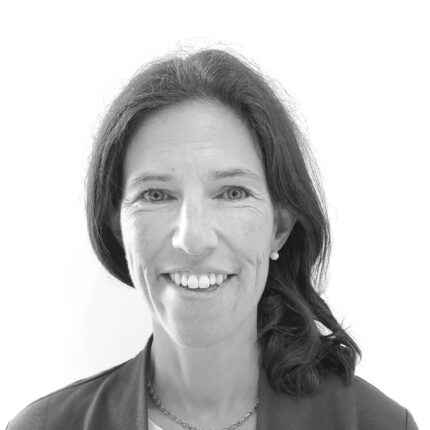
Charlotte Glossop
Interim COO
-

Samuel Grootelaar
Analyst
-

Elisa Guida
Project Coordinator
-

Simon Henry
Director, Carbon Market Development
-

Joseph Hoekstra
Analyst
-

Justin Johnson
RGGI Representative
-

Su Ling Khoo
Singapore Representative
-
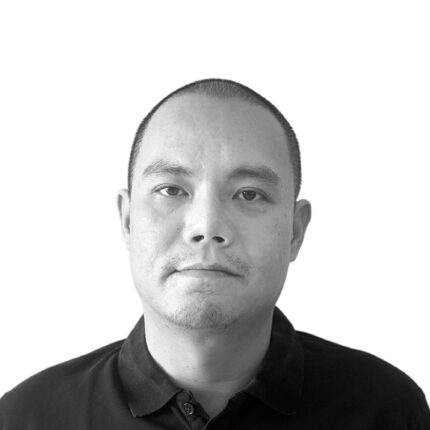
Evan Kong
Technical Director, CAD Trust
-

Tom Lawler
Washington Representative
-

Min Li
China Representative
-

Ellen Lourie
NCS & Aviation Director
-

Kyle Lynch
Research Analyst
-

Rebecca Lynch
Membership Programme Assistant
-
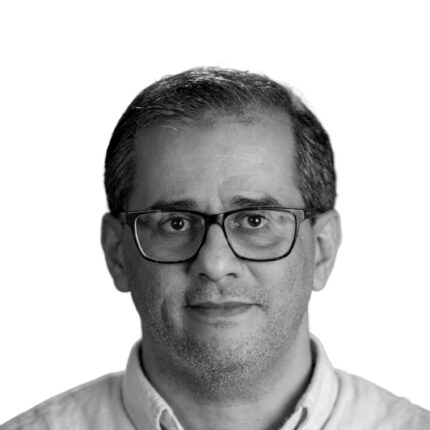
Badr Maallem
Conference Manager
-

Julia Michalak
EU Policy Director
-

Meg Miller
Membership Programme Assistant
-
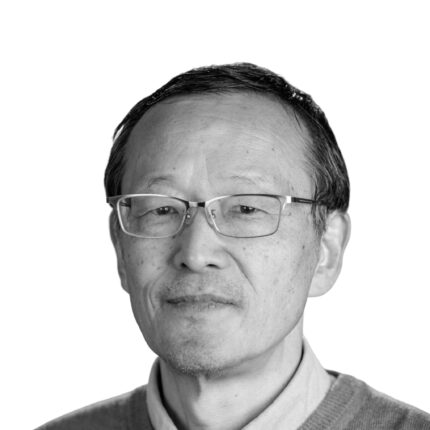
Takashi Morishima
Japan Representative
-

Christian Mosquera
Conference & Partnerships Manager
-
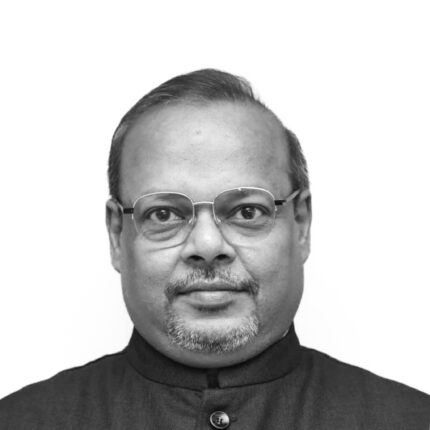
Dinesh Nithyanandam
Executive Director, CAD Trust
-

Nihal Nizar
India Policy Advisor
-

Svea Nyberg
EU Policy Officer
-

Lisa Spafford
Managing Director
-

Ieva Steponaviciute
Community Manager, CAD Trust
-

Katie Sullivan
Managing Director
-

Terence Tan
Student Volunteer, CAD Trust
-
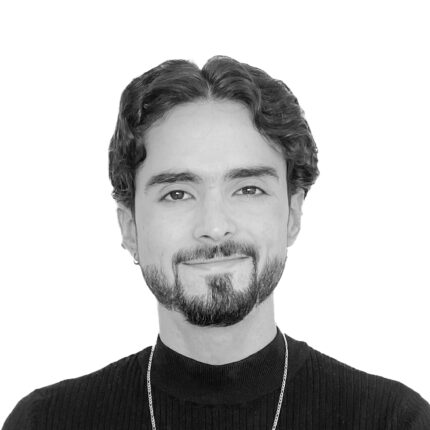
Camilo Trujillo
Technical Analyst
-

Pedro Venzon
International Policy Advisor
-

Alessandro Vitelli
Communications Advisor
-
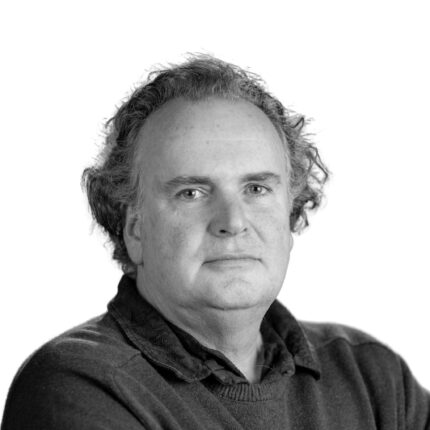
Chris Winch
People Operations
-

Amy Zell
Technical Director, Voluntary Carbon Markets
-

Hannes Zimmermann
Programme Manager for Voluntary Carbon Market Formation
-
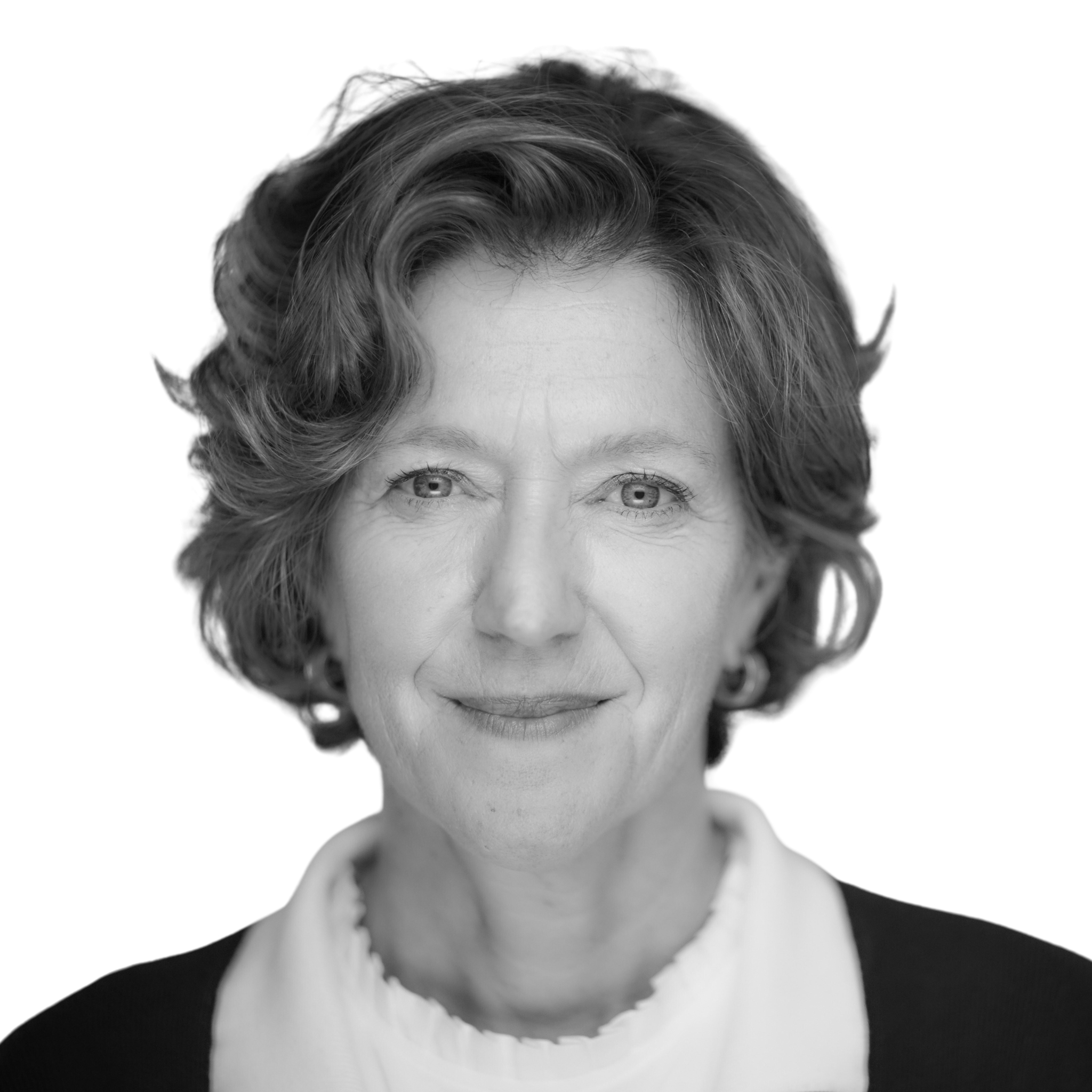
Andrea Abrahams
Managing Director, VCM
London, UK
-
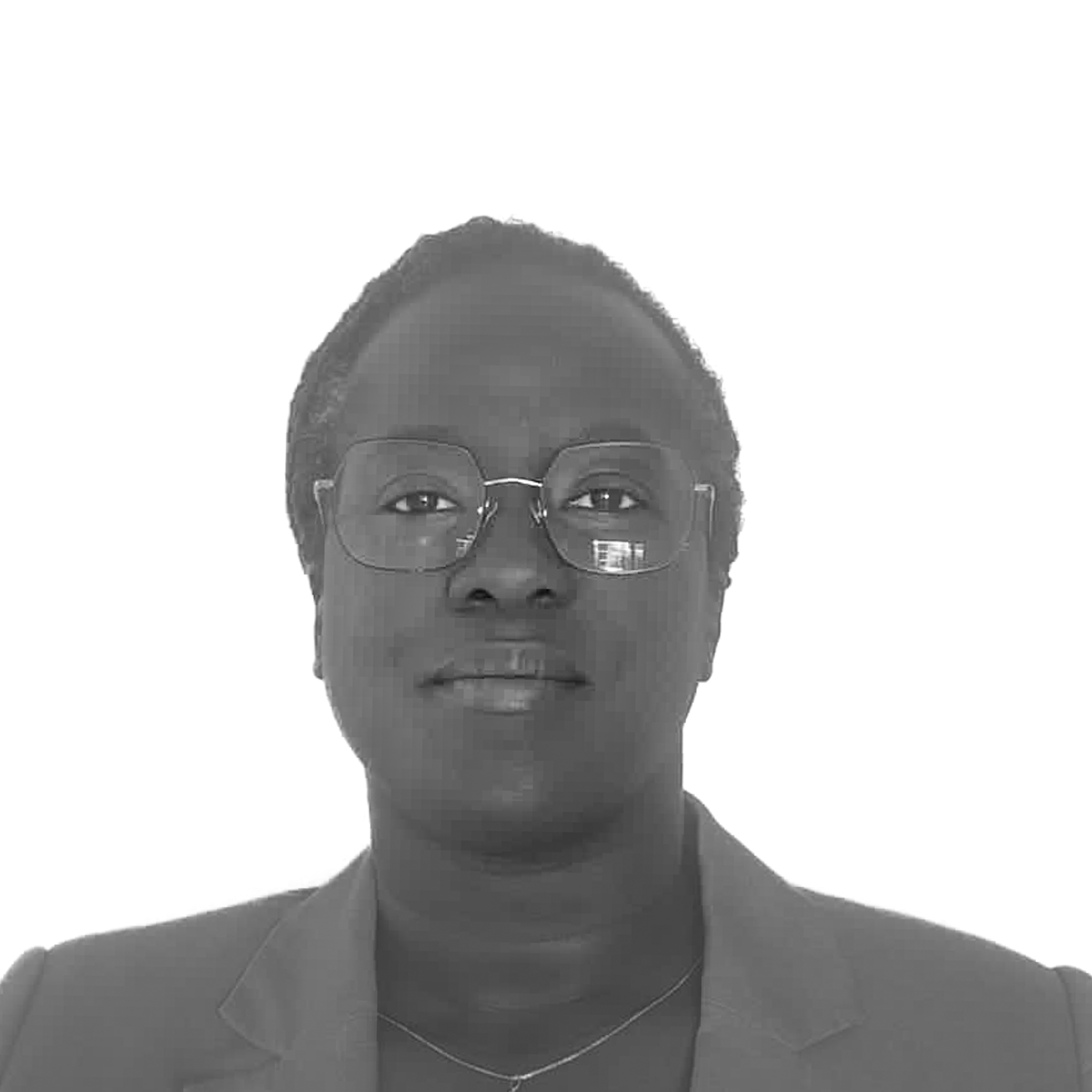
Awagbé Antille
Conference & Operations Manager
Geneva, Switzerland
-

Lynne Backhouse
Communications Manager
Bristol, UK
-

Anna Bonutto
EU Policy Assistant
Paris, France
-

Andrea Bonzanni
Director, International Policy
New York, USA
-

Franco D’Aprile
Program Coordinator, ICROA
Geneva, Switzerland
-

Claire Davis-Reddy
Programme Director, Carbon Markets, South Africa
Cape Town, South Africa
-

Antoine Diemert
Accreditation and VCM Policy Director
Geneva, Switzerland
-

Mark Downes
Global Director of Communications
London, UK
-
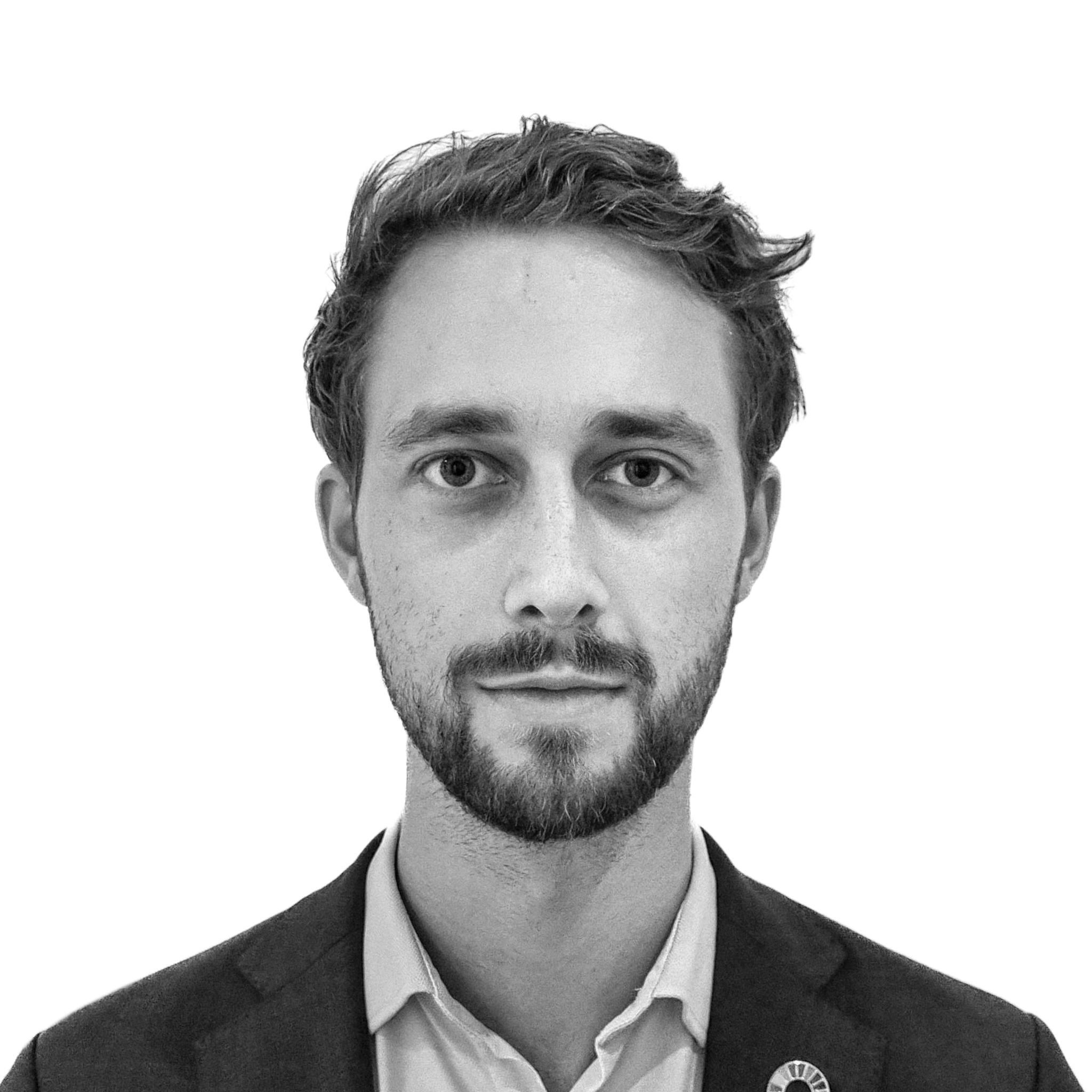
Björn Fondén
International Policy Advisor
Singapore
-
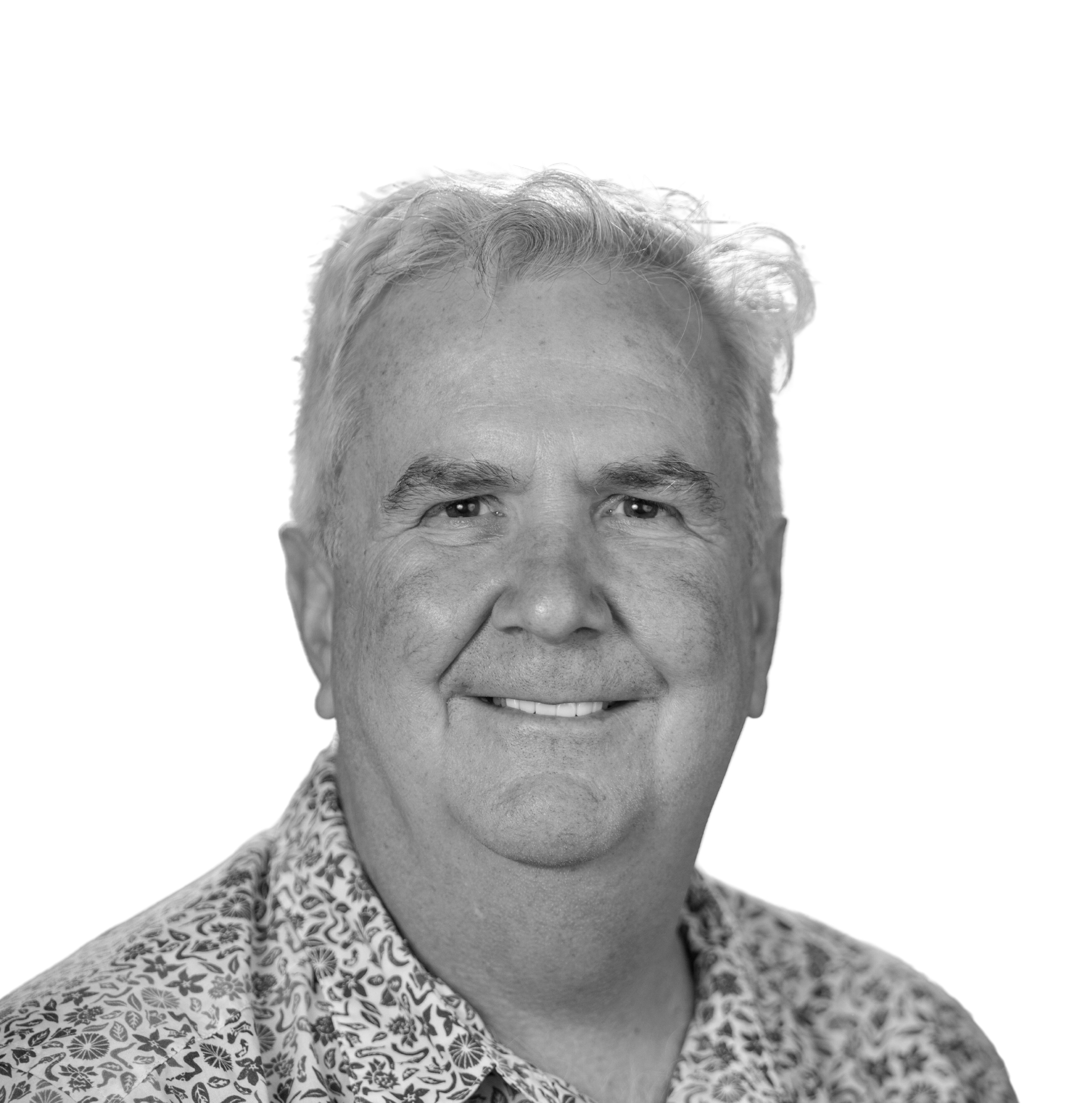
Dirk Forrister
President & CEO
London, UK
-

Will Gifford
NCS Policy Analyst
London, UK
-
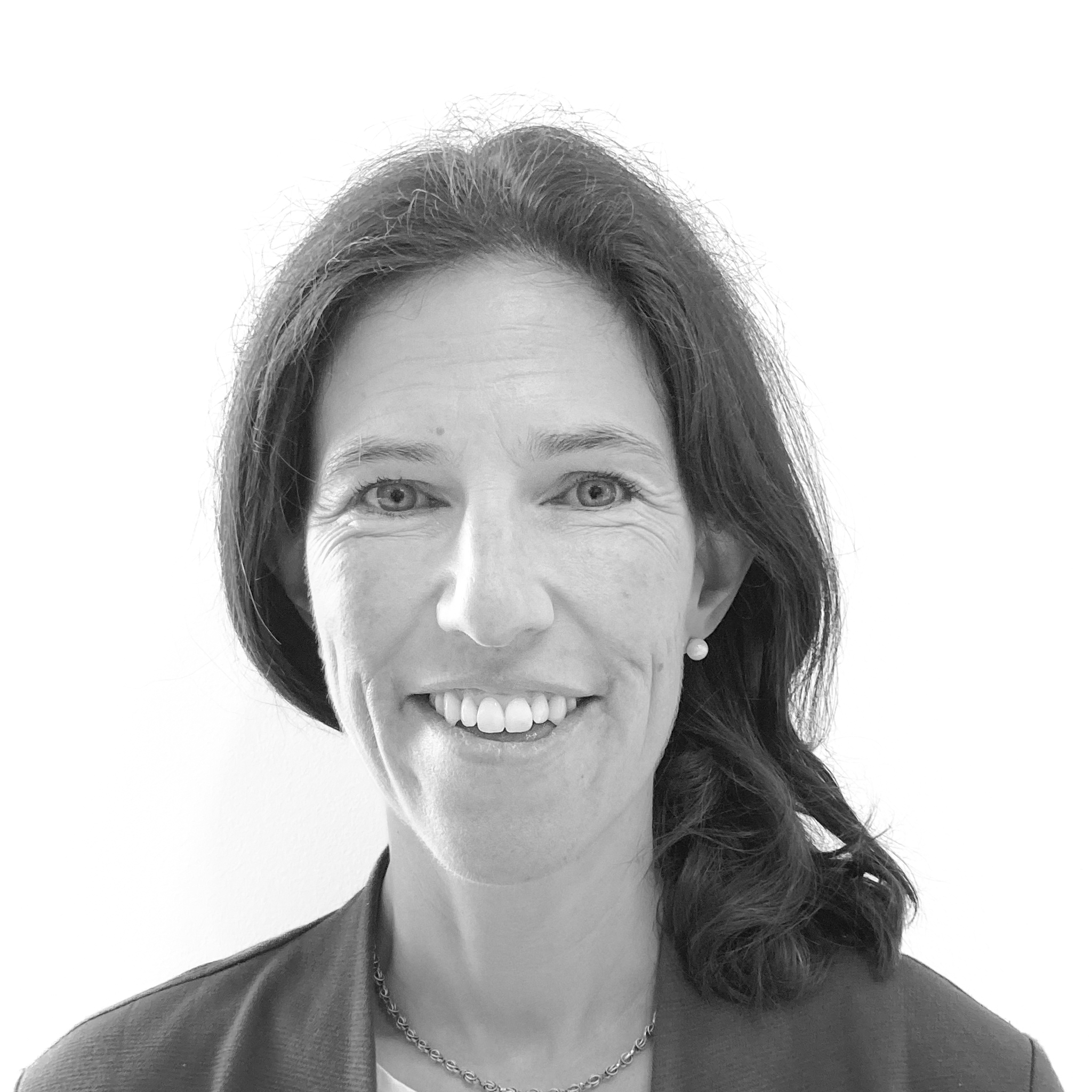
Charlotte Glossop
Interim COO
London, UK
-

Samuel Grootelaar
Analyst
Calgary, Canada
-

Elisa Guida
Project Coordinator
Brazil
-

Simon Henry
Director, Carbon Market Development
Geneva, Switzerland
-

Joseph Hoekstra
Analyst
Edmonton, Canada
-

Justin Johnson
RGGI Representative
Montpellier, USA
-

Su Ling Khoo
Singapore Representative
Singapore
-
Evan Kong
Technical Director, CAD Trust
Singapore
-

Tom Lawler
Washington Representative
Washington, DC, USA
-

Min Li
China Representative
Beijing, China
-

Ellen Lourie
NCS & Aviation Director
Bristol, UK
-

Kyle Lynch
Research Analyst
Geneva, Switzerland
-

Rebecca Lynch
Membership Programme Assistant
Toronto, Canada
-
Badr Maallem
Conference Manager
Geneva, Switzerland
-

Julia Michalak
EU Policy Director
Brussels, Belgium
-

Meg Miller
Membership Programme Assistant
Toronto, Canada
-
Takashi Morishima
Japan Representative
Tokyo, Japan
-

Christian Mosquera
Conference & Partnerships Manager
Geneva, Switzerland
-
Dinesh Nithyanandam
Executive Director, CAD Trust
Singapore
-

Nihal Nizar
India Policy Advisor
Delhi, India
-

Svea Nyberg
EU Policy Officer
Brussels, Belgium
-

Lisa Spafford
Managing Director
Geneva, Switzerland
-

Ieva Steponaviciute
Community Manager, CAD Trust
Berlin, Germany
-

Katie Sullivan
Managing Director
Toronto, Canada
-

Terence Tan
Student Volunteer, CAD Trust
-
Camilo Trujillo
Technical Analyst
Colombia
-

Pedro Venzon
International Policy Advisor
Geneva, Switzerland
-

Alessandro Vitelli
Communications Advisor
London, UK
-
Chris Winch
People Operations
London, UK
-

Amy Zell
Technical Director, Voluntary Carbon Markets
Calgary, Canada
-

Hannes Zimmermann
Programme Manager for Voluntary Carbon Market Formation
Programme Manager, ICVCM
Governance
Documents
IETA received legal non-profit status from the government of Switzerland in June 2000, and received United Nations Framework Convention on Climate Change non-governmental organisation accreditation in October 2000.
IETA is a membership organisation where all members have one vote, used at the Annual General Meeting and any Extraordinary General meetings. Half of IETA’s 18 Board members are elected each year.
IETA’s articles and bylaws are available online. IETA’s competition policy and internal guidance for developing position papers are also available.
IETA COUNCIL
Chair of the board
Vice-chairpersons



Directors
-
Daniele Agostini
Head of Low Carbon Policies & Carbon Regulation
Enel -

Sandeep Roy Choudhury
Co-founder and Director
VNV Advisory Services -
Paul Dawson
Head of Regulatory Affairs
RWE Supply & Trading -
Leslie Durschinger
Founder & CEO
Terra Global Capital -
Lisa DeMarco
Senior Partner and CEO
Resilient LLP -
Jonathan Grant
Chief Advisor, Climate Change
RioTinto -
Takashi Hongo
Senior Fellow
Mitsui Global Strategic Studies Institute -

Abyd Karmali OBE
Managing Director,
ESG & Sustainable Finance
Bank of America Merrill Lynch -

Kerry Liebenberg
Counsel
Linklaters -

Julie Mulkerin Ortiz
General Manager, Decarbonization Strategy
Chevron -
Ingrid Parramon
VP Low Carbon Trading
bp -
Liv Rathe
Director
Hydro -
Hendrik Rosenthal
Director – Group Sustainability
CLP Holdings Limited -

Rick Saines ONM
Partner
Pollination Group -
Jonathan Shopley
Managing Director, External Affairs
Climate Impact Partners
Honorary board member
COMMITTEES
-
Finance Committee
Paul Dawson, Chair
Federico Di Credico
Liv Rathe
Hendrik Rosenthal -
Governance Committee
Lisa DeMarco, Chair
Daniele Agostini
Rick Saines
Kerry Liebenberg
Julie Mulkerin Ortiz -
Membership Committee
Jonathan Shopley, Chair
Daniele Agostini
Jonathan Grant
Ingrid Parramon -
Communications Committee
Kerry Liebenberg
Sandeep Chaudhury
Abyd Karmali OBE
Jonathan Shopley
-

Enric Arderiu Serra
Global Head of
Environmental Products
MercuriaEnric is the Global Head of Environmental Products at Mercuria. He leads a global team covering a wide range of environmental products both in compliance and voluntary markets. The Environmental Products team manages carbon pricing for customers and helps develop carbon emission reduction and removal projects across the world. Prior to joining Mercuria, Enric was heading Low Carbon Trading in bp. Enric has been active in environmental markets since 2005 when he joined EcoSecurities. Enric holds a Bachelor’s degree in Economics, a Master in Finance by London Business School and speaks four languages.
-

Mary Grady
Executive Director
American Carbon RegistryMary Grady is President and CEO of Environmental Resources Trust (ERT), a wholly owned nonprofit subsidiary of Winrock International. She has been active in environmental markets for 30 years including 15 years at Winrock where she serves as the Executive Director of ACR, responsible for the strategic leadership of ACR’s operations in global regulated and voluntary carbon markets, and as the Executive Director of the Architecture for REDD+ Transactions (ART). Mary secured approval of both ACR and ART to supply credits to ICAO’s CORSIA. She leads Winrock’s delegation to the UNFCCC and serves as Vice-Chair of the Board of IETA. Prior to working in carbon markets, Mary worked for 16 years in the renewable energy industry.
-

Federico Di Credico
Managing Director
ACT GroupFederico is the Managing Director for Asia Pacific at ACT Group and a board member at CAD Trust.
With ACT, a leading provider of market-based sustainability solutions, he initially led activities in Southern Europe and later expanded his role to support new business development initiatives for the Group. In March 2017, he became the Managing Director at ACT Financial Solutions, establishing the investment entity, now holding a financial license in 28 countries. Relocating to Singapore in April 2022, Federico spearheads ACT’s APAC expansion, overseeing strategy and operations to meet the region’s growing sustainability needs.
-
Daniele Agostini
Head of Low Carbon Policies & Carbon Regulation
Enel -

Sandeep Roy Choudhury
Co-founder and Director
VNV Advisory ServicesSandeep serves as a Co-founder and Director at VNV Advisory Services, a social enterprise based in the global south working on community owned nature based removals, sustainable farming for small holders and rural energy access. His on ground work encompasses around 7 million rural households in over 17 countries in Asia and Africa. He has been working for the past 18 years in using market mechanisms and carbon finance to fund sustainable development activities and serves on the board of several NGOs and social organisations as well as on carbon market initiatives such as ICROA and VCMI. He is a Salzburg global fellow, an avid follower of tennis, and a fan of fiction reads.
-

Paul Dawson
Head of Regulatory Affairs
RWE Supply & Trading -
Leslie Durschinger
Founder & CEO
Terra Global CapitalLeveraging 20 years of experience and a proven track record in the financial services industry, Ms. Durschinger founded Terra Global Capital in 2006 to attract private sector capital to nature-based solutions. Ms. Durschinger is recognized as a pioneer and innovator in alignment of development values and financially viable approaches to sustainable landscape management. Terra is a global leader in nature-based solutions program development, greenhouse gas quantification and community-based business model development, by providing technical expertise and investment capital to a global client base of governments, NGOs, and private companies in a collaborative and participatory manner. Under Durschinger’sleadership Terra has financed numerous commercially viable sustainable landscape management programs, launched an investment fund that provides climate finance to the nature-based solutions sector in the global south. Prior to Terra, Ms. Durschinger held senior management positions in the areas of derivatives trading, investment management, algorithmic trading, risk management, and securities lending. She is a member of the IETA Council and Co-chair Natural Capital Solutions Working Group and has served of numerous standards committees including the Verra VCS Program Advisory Group, REDD+ Social & Environmental Standards Committee, and Verra – VCS JNR Expert Working Group. Ms. Durschinger and her family make small production olive oil on their farm in Mendocino County. Among her previous employers are JP Morgan, Merrill Lynch, Barclays Global Investors and Charles Schwab.
-
Lisa DeMarco
Senior Partner and CEO
Resilient LLPLisa DeMarco is a Senior Partner and CEO at Resilient LLP. She is recognised as one of the world’s leading climate change lawyers with over 25 years of experience in all aspects of climate change and clean energy law. Lisa regularly advises on renewable power project development, energy storage projects, sustainable and climate finance transactions, carbon capture and storage, climate-related financial disclosure, corporate climate risk, ESG, green bonds, and sustainable business strategy. Lisa plays an active role for Fortune 500 companies in corporate ESG, climate change, and transition strategy, target setting, and compliance. Lisa is a director of the boards of the Advanced Energy Centre at MaRS, member and former Chair of the IETA Council, and member of Climate Economy Strategic Council.
-

Jonathan Grant
Chief Advisor, Climate Change
RioTinto -
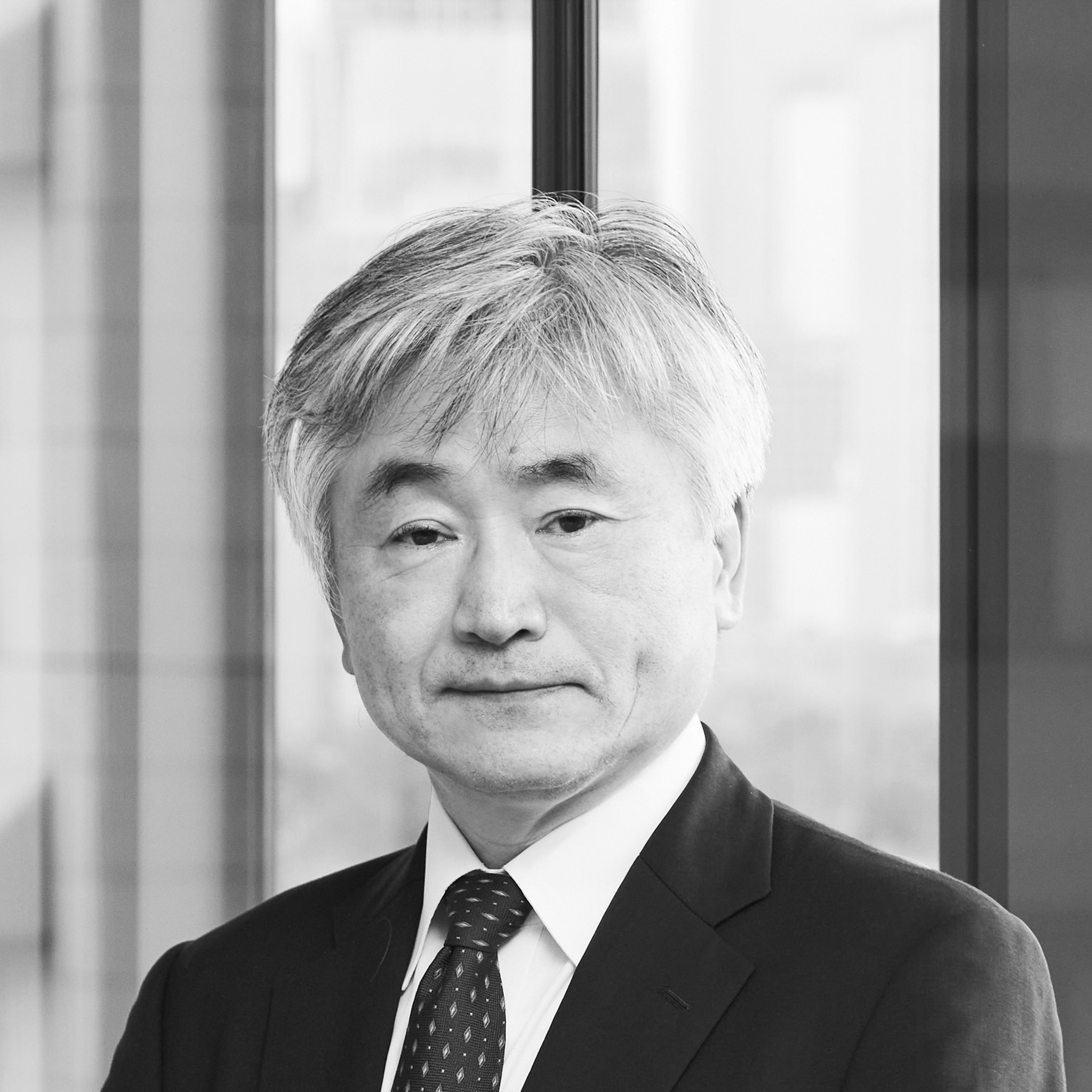
Takashi Hongo
Senior Fellow
Mitsui Global Strategic Studies Institute -

Abyd Karmali OBE
Managing Director,
ESG & Sustainable Finance
Bank of America Merrill LynchAbyd Karmali is Managing Director, Environmental Business Advisory at Bank of America in London. From 2007-2014, he served as Merrill Lynch’s (subsequently BofAML) Global Head of Carbon Markets. In 2014, he joined the team supporting the bank’s broader capital deployment commitment to mobilise $1.5 trillion in sustainable finance by 2030.
Abyd has worked for more than 30 years on climate change and sustainable finance and was made an Officer of the Most Excellent Order of the British Empire (OBE) in 2019. In 2022, Financial News included Abyd its in inaugural list of “The 50 Most Influential in Sustainable Finance.”
From 2013 to 2015, Abyd served as one of two inaugural private sector representatives to the Board of the UN Green Climate Fund in South Korea. He holds an MS in Technology and Policy from the Massachusetts Institute of Technology.
-
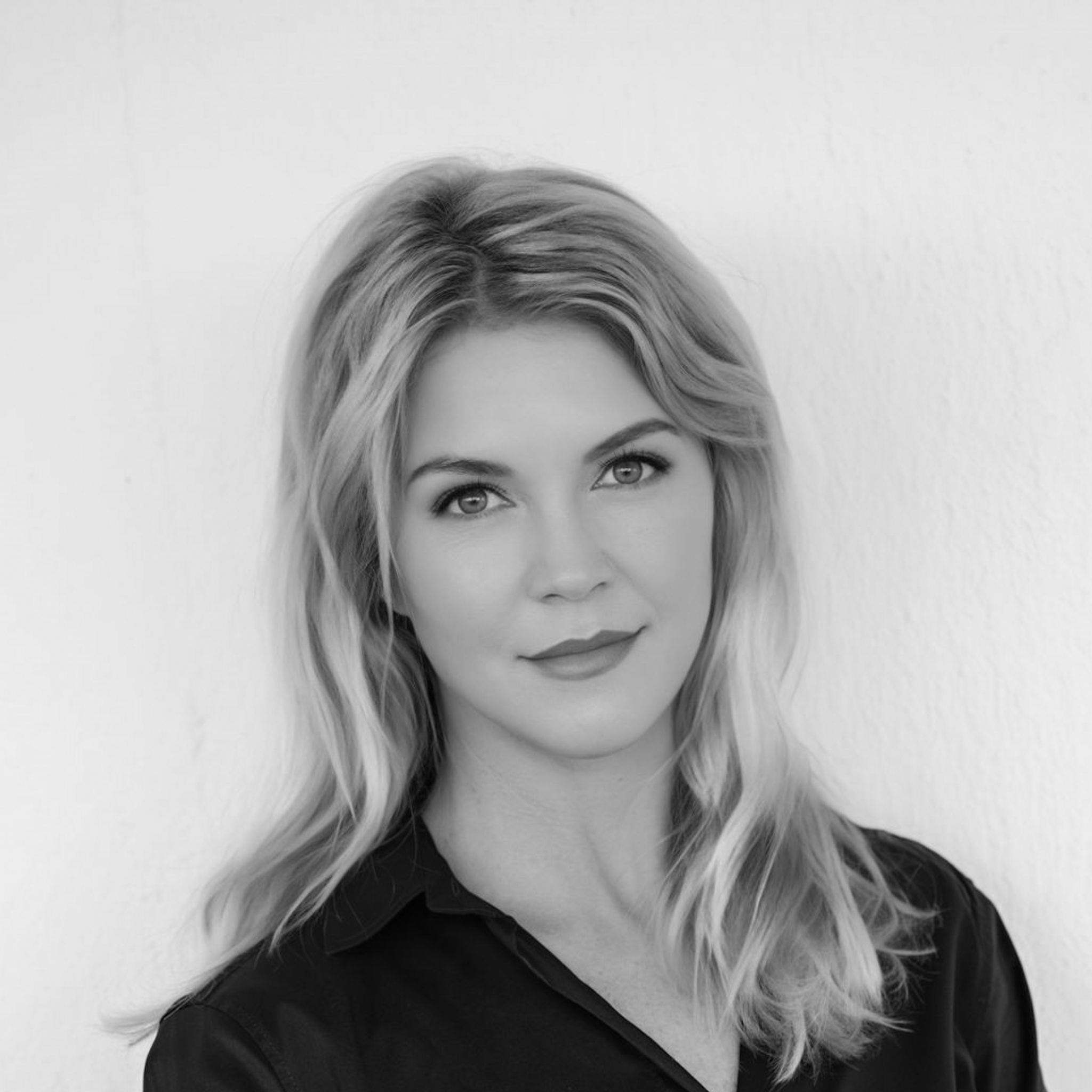
Kerry Liebenberg
Counsel
Linklaters -

Julie Mulkerin Ortiz
General Manager, Decarbonization Strategy
ChevronJulie is the General Manager of Decarbonization Strategy in Chevron’s Strategy & Sustainability team. She leads cross-functional teams in setting external and internal incentives for driving a lower carbon future, like GHG targets including net zero aspirations, advancing carbon accounting, developing enterprise climate policy positions, and leading other strategic initiatives. She has been the lead author on five TCFD-aligned Climate Resilience Reports.
Julie joined Chevron to work in environmental markets in 2008 after completing her MBA at the University of Southern California and working in agricultural commodity trading and for the government. She earned her BA in Spanish at University of California, Davis.
-
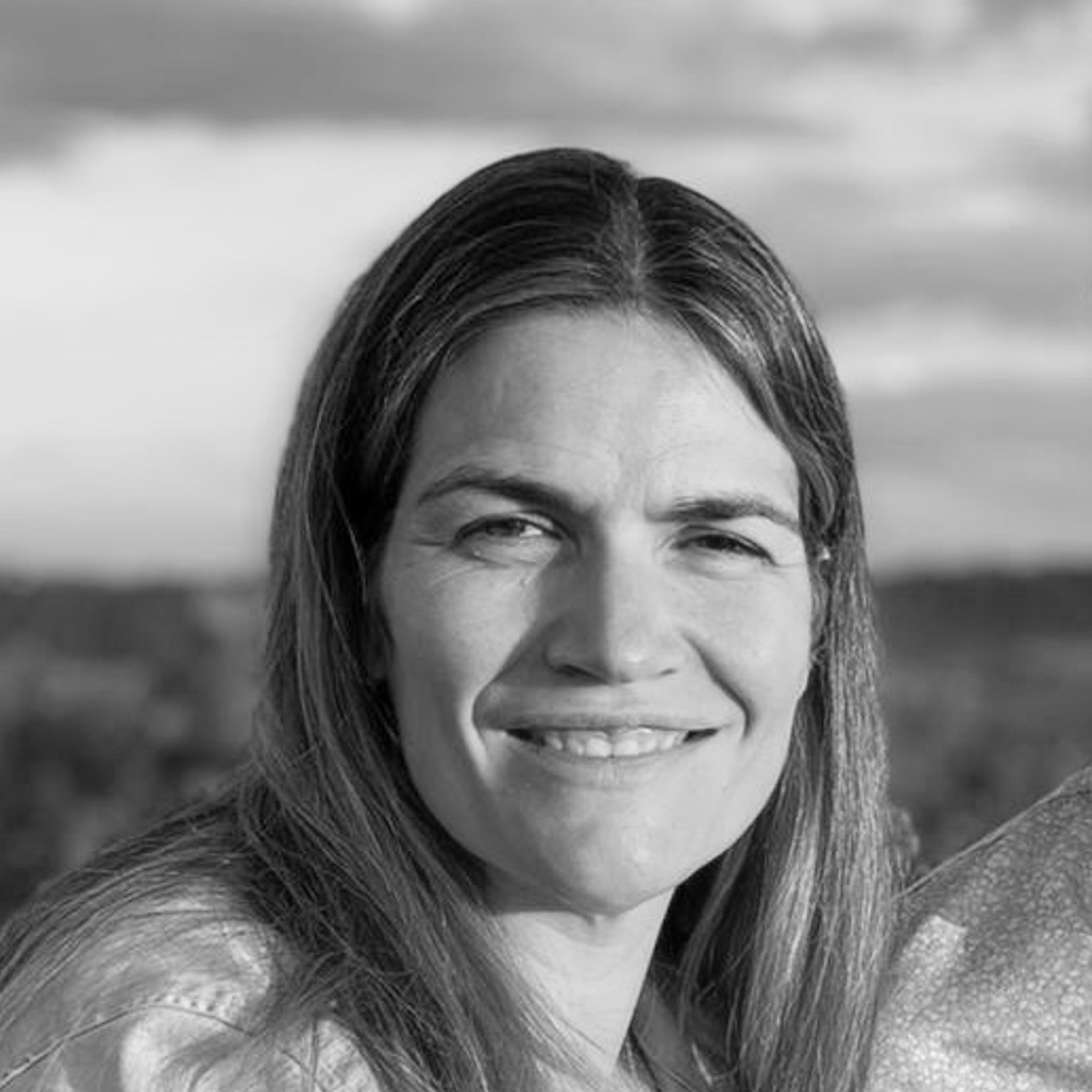
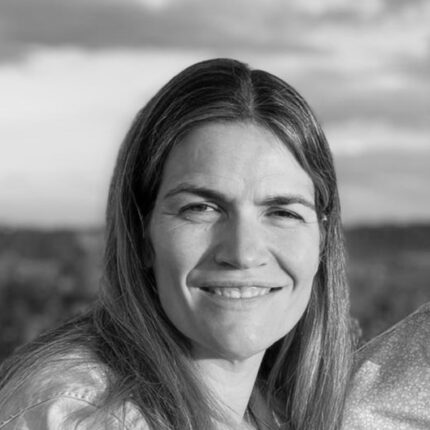
Ingrid Parramon
VP Low Carbon Trading
bpIngrid is Vice President of Low Carbon Trading in bp, where she leads a team focussing on both compliance emissions markets and voluntary offset programmes. The Low Carbon trading team develops carbon projects globally and manages carbon pricing for key customers.
Prior to her current role, Ingrid was a distillates trader for 13 years in bp.
Ingrid is a Chemical Engineer, has a Masters in Petroleum Engineering and speaks four languages
-
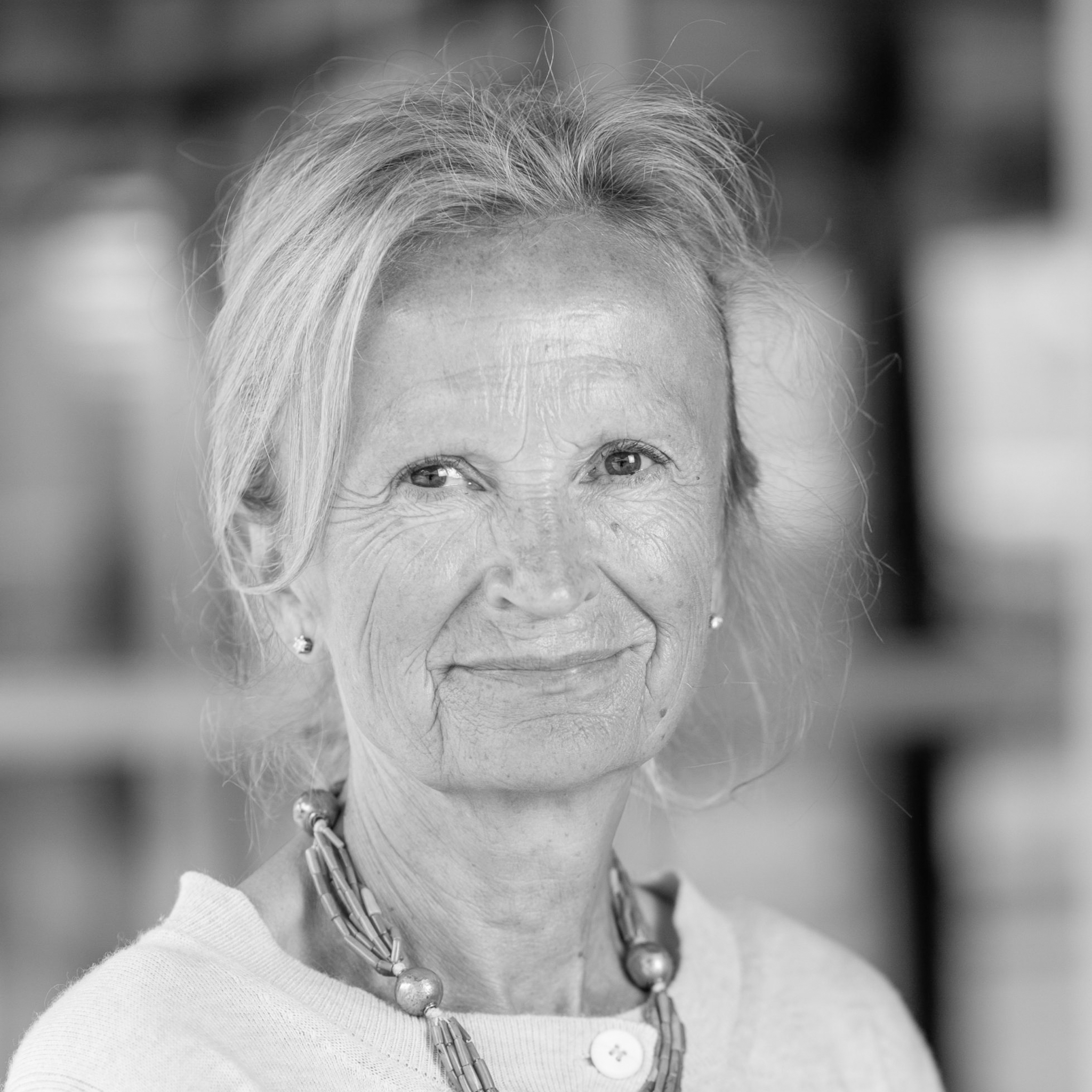
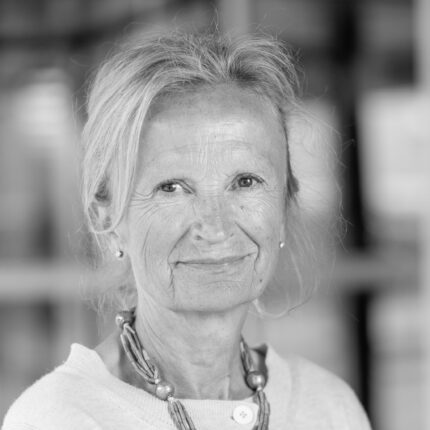
Liv Rathe
Director
HydroLiv is Head of Department in Climate Office, in Norsk Hydro’s Corporate Development Department. The department which defines Hydro’s climate ambitions and its role in decarbonization. Liv has worked with climate related issues within Hydro since 2000, building up the companie’s knowledge centre regarding climate policies and regulations, and being involved in climate regulation policies both nationally and international. including analysing, developing, and advocating for positions both regarding the EU ETS and other relevant global GHG framework.
Liv has many years’ experience from different boards, among them the Norwegian Research Council’s Board for Energy and Industry.
She has over 20 years’ experience from the mandatory and voluntary carbon market and represented Hydro in the board of the World Bank’s Prototype Carbon Fund (the PCF), the first carbon fund under the Kyoto Protocol.
Since 2018, Liv has been a Board Member of IETA, the International Emission Trading Organization.
Before 2020, Liv has working experience from renewable policy and investment, venture capital and corporate finance. Liv is an economist from NHH (the Norwegian School of Economics) in Bergen and has studies in Comparative Politics from the University of Bergen.
-
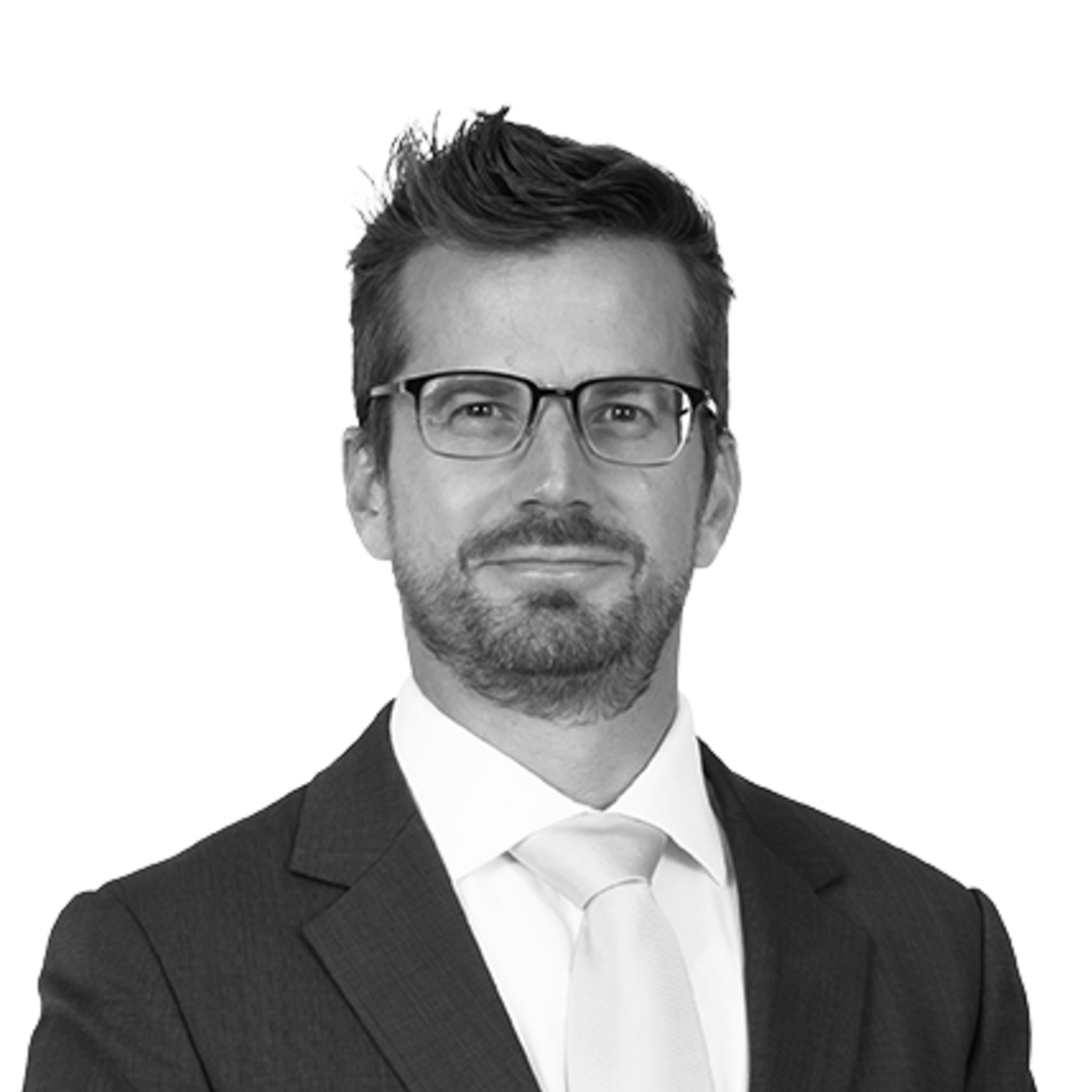
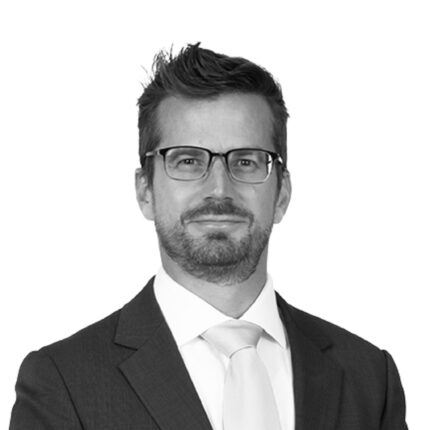
Hendrik Rosenthal
Director – Group Sustainability
CLP Holdings LimitedHendrik is responsible for CLP Group’s sustainability-related strategy, reporting and communications. He supports the senior management in ESG risk management and advises on sustainability matters of the Group’s power business in Asia Pacific.
With over 20 years of experience in sustainability and environmental management across sectors, Hendrik previously led research and consulting projects in Canada, Hong Kong and Singapore.
In addition to his role on the IETA Council, Hendrik currently sits on a number of sustainability-related committees, including as Co-Chair of the Sustainability Committee for the Australian Chamber of Commerce in Hong Kong, Environment and Sustainability Committee member of the Hong Kong General Chamber of Commerce, and member of the Hong Kong Institute of Certified Public Accountants Sustainability Committee, amongst others.
-

Rick Saines ONM
Partner
Pollination Group -
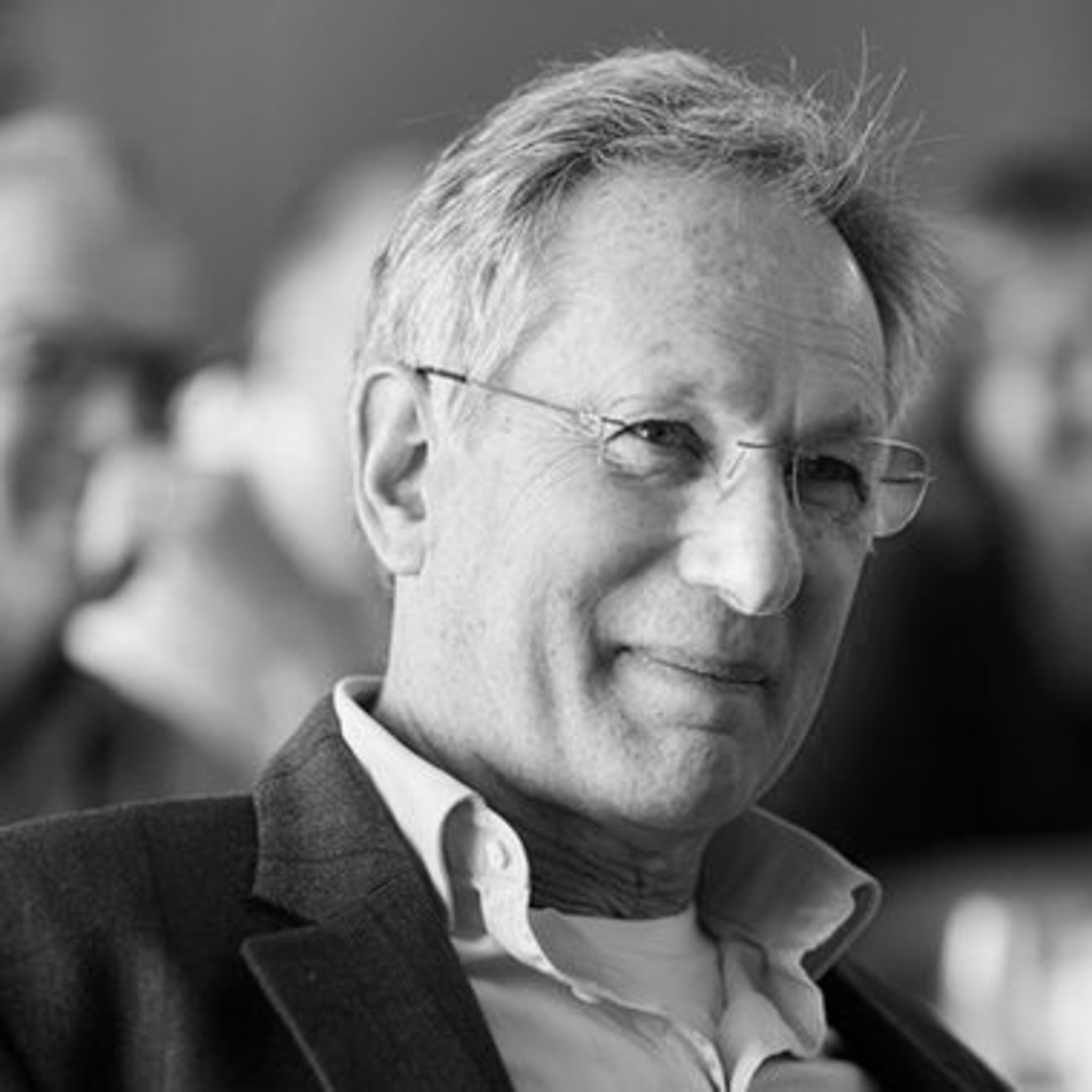
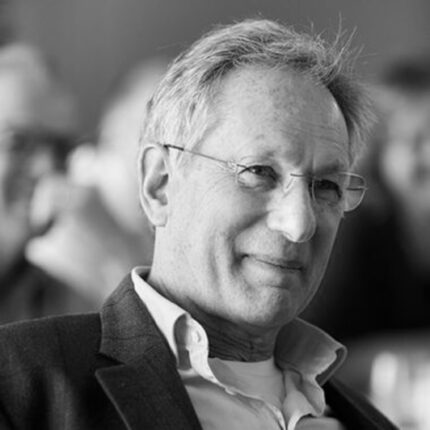
Jonathan Shopley
Managing Director, External Affairs
Climate Impact PartnersJonathan Shopley is Managing Director of External Affairs at Climate Impact Partners, a merger of Climate Care and Natural Capital Partners, with a focus on the company’s engagement with national and international climate policy development. He joined Natural Capital Partners, trading then as FutureForests, as CEO in 2001 to initiate its evolution to a leading international provider of services delivering positive impact for clients in the areas of climate, energy, water, and biodiversity.
He was instrumental in founding the International Carbon Reduction and Offset Alliance (ICROA) and the UK’s first All Party Parliamentary Group on Climate Change; and is a board member of the International Emissions Trading Association IETA and founding chair of ICROA. He chairs a community renewable energy cooperative in the South of England.
-
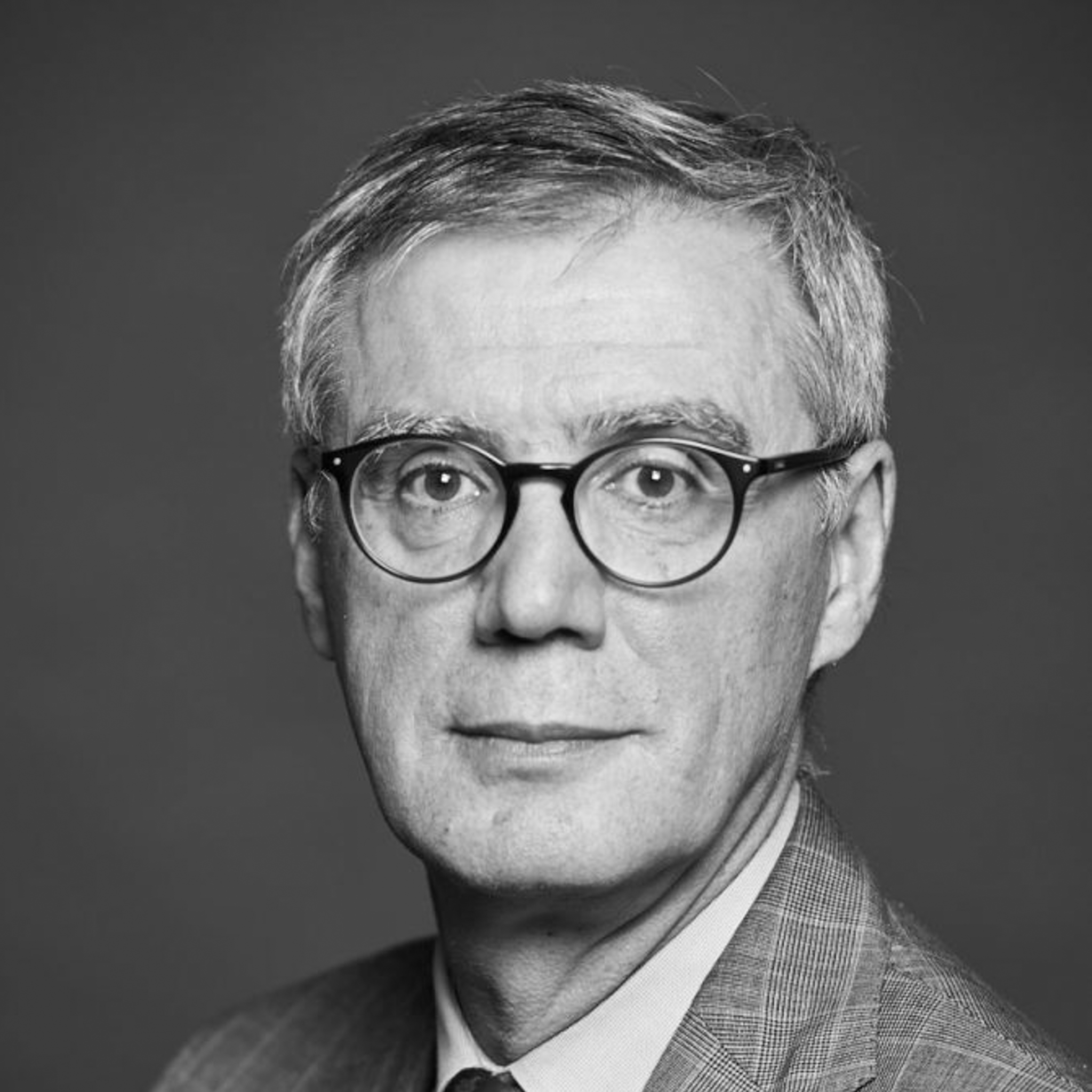
Andrei Marcu
ICTSD/ERCST
Former IETA President & CEO
IETA FELLOWS
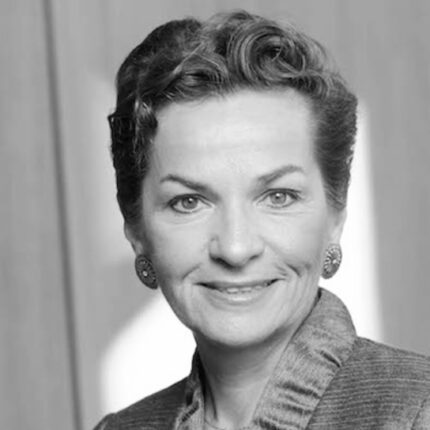
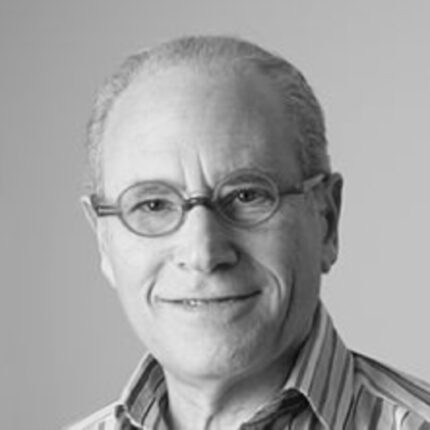
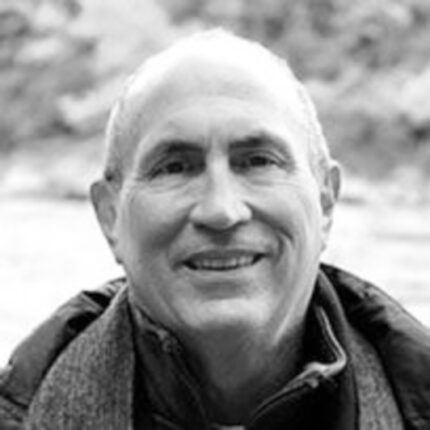
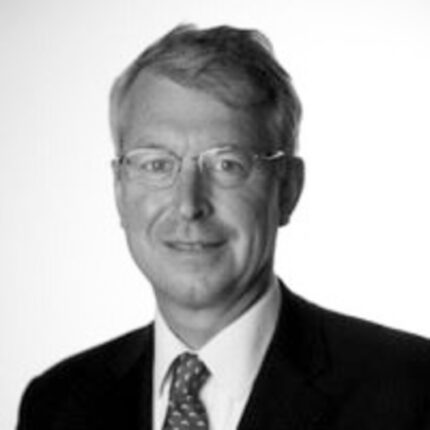
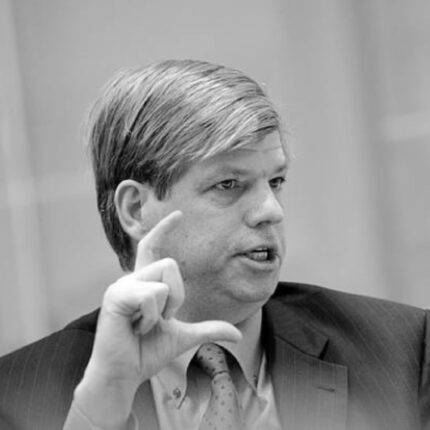
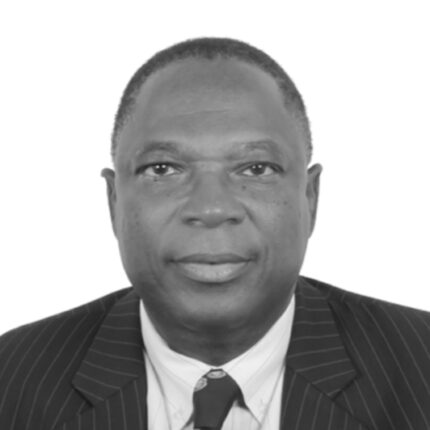
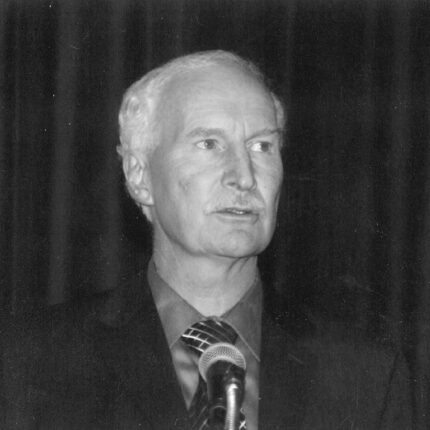
IETA awards honorary fellowships to individuals in recognition of their contributions to developing market-based solutions to climate change and in strengthening the role of the IETA in building the profession. IETA Fellows are named each year.






-
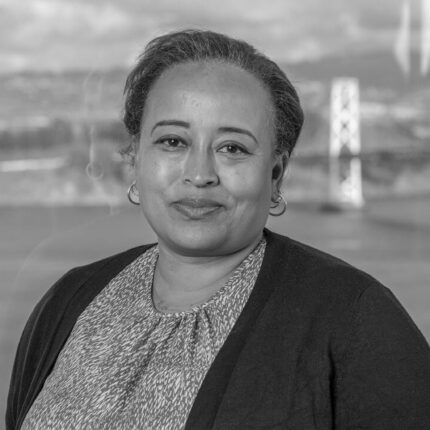
Angela Churie Kallhauge
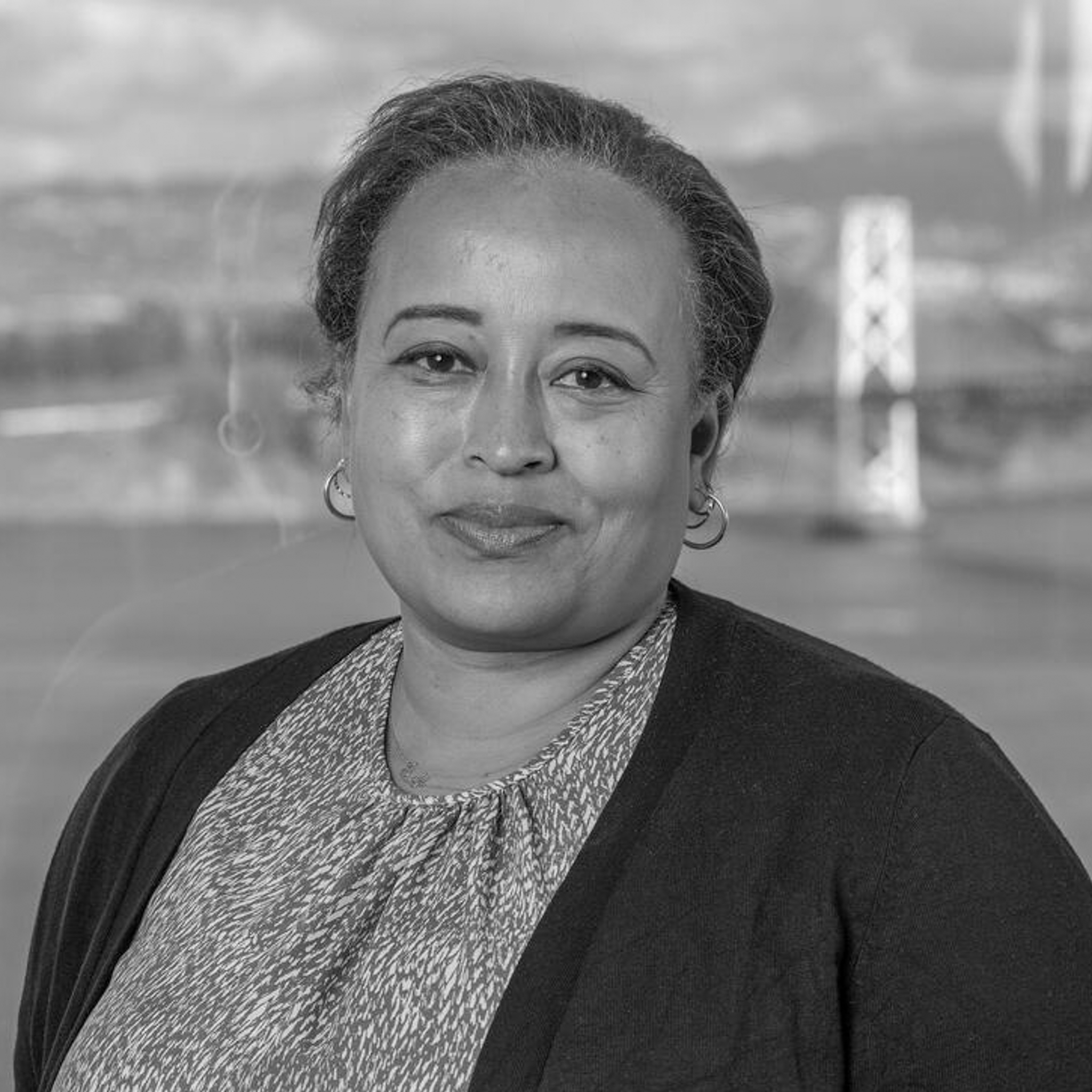
Angela Churie Kallhauge was named a fellow to recognise her contribution to driving climate action momentum in the private sector via her role as head of secretariat for the Carbon Pricing Leadership Coalition, based at the World Bank. Before the Bank, Angela worked for the Swedish Energy Agency on carbon market development issues. She is currently an executive vice-president for impact at Environmental Defense Fund.
-

John Scowcroft
One of the leading pioneers of emissions trading, John Scowcroft was heavily involved with early pilot programmes and trading simulations in Europe during his lengthy tenure at Eurelectric. His posthumous fellowship is to honour the legacy of his work and thought-leadership, and vast contributions to the energy and climate policy space.
-
Hugh Sealy
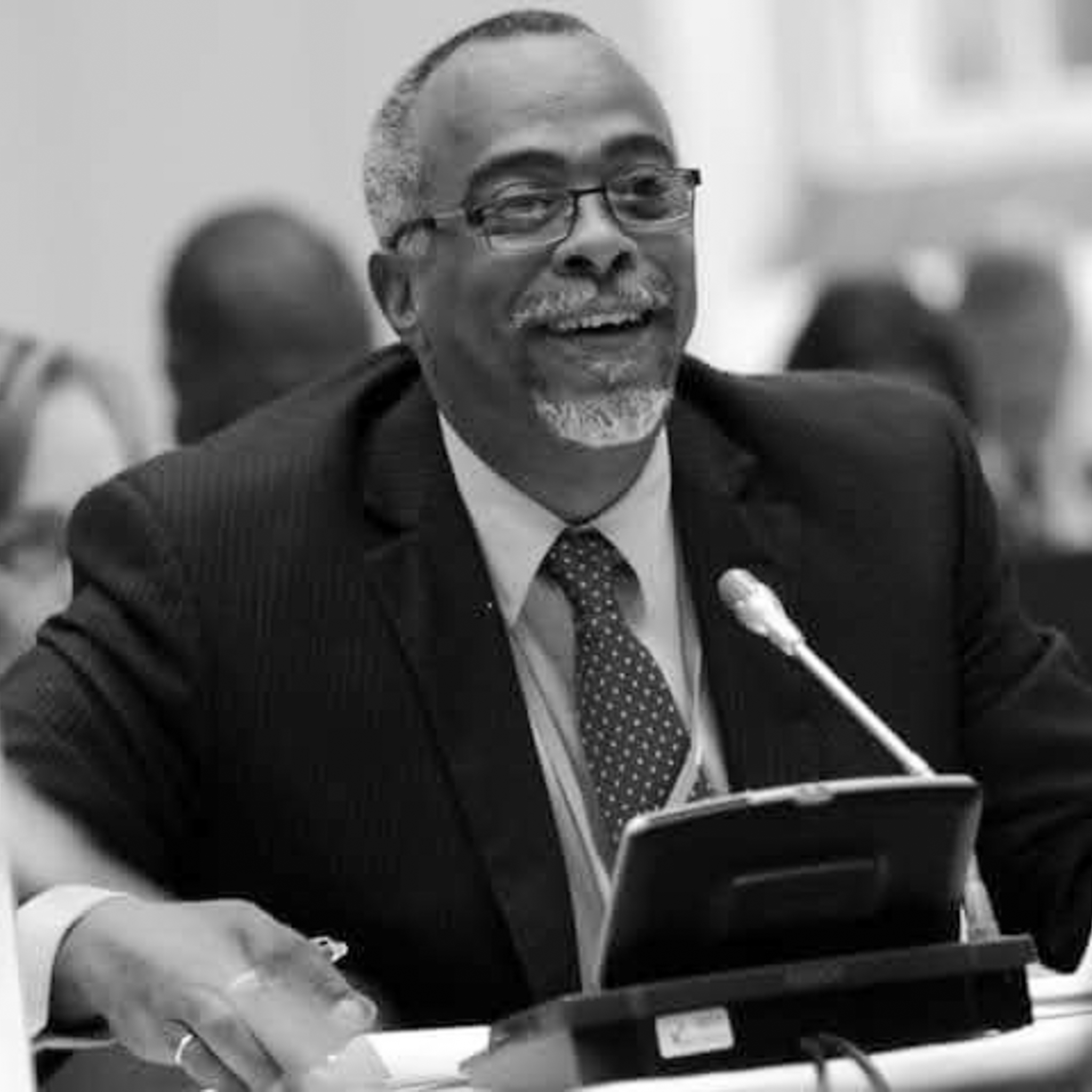
Born in Canada, Hugh Sealy was a Special Envoy of the Government of Barbados for climate change and was a senior negotiator for AOSIS om carbon markets. He was named a fellow posthumously in recognition of his vast contributions particularly to the Clean Development Mechanism and development of rules for Article 6 mechanisms under the Paris Agreement, including as a member of and chair of the CDM Executive Board and co-chair of the Article 6 negotiations.
-

Jos Delbeke
Jos led the development and operation of the EU ETS during his time as Director General of the European Commission’s Directorate General of Climate. He is recognised as a fellow for his leadership in market-based climate policies.
-
Mary Nichols
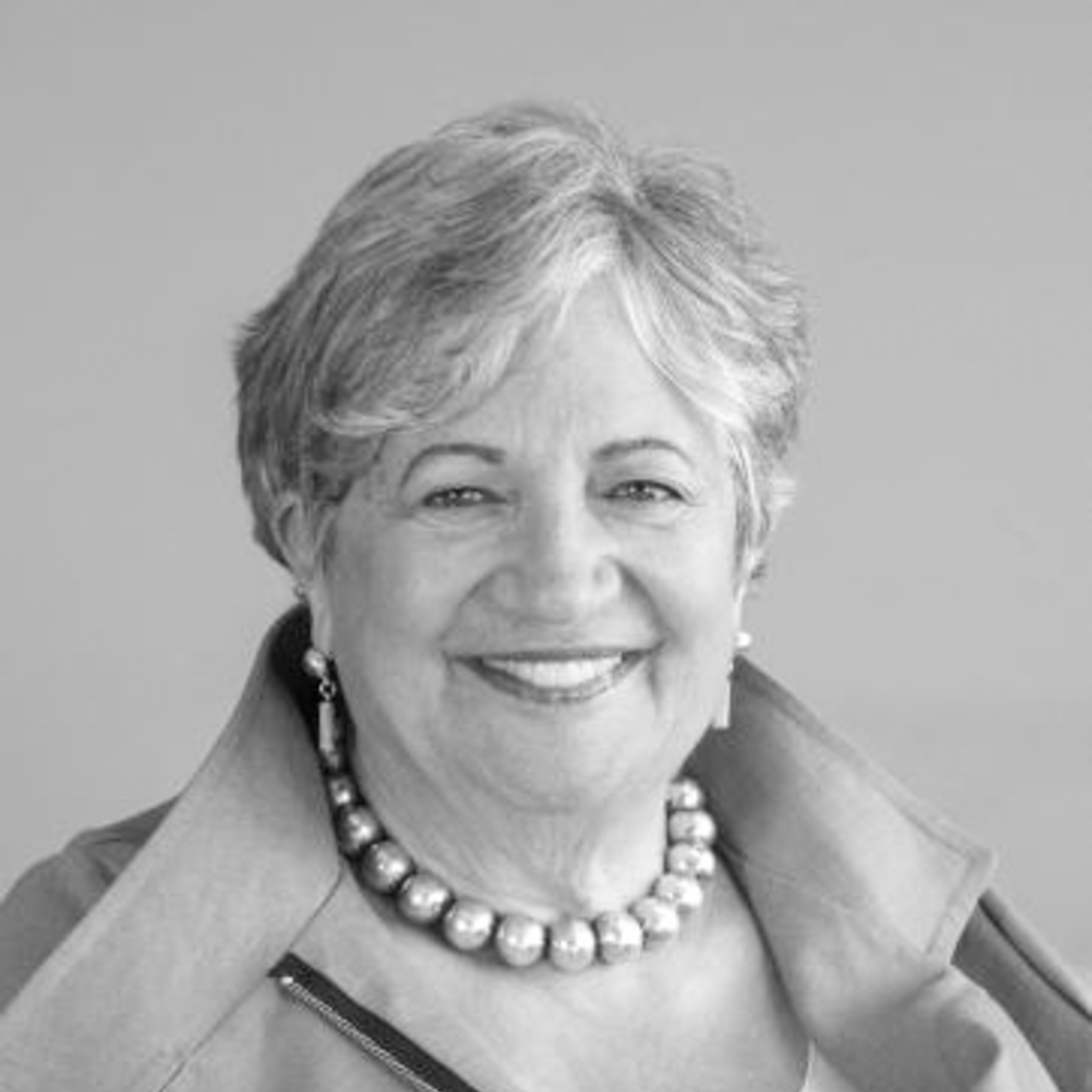
Mary was the longstanding Chair of the California Air Resources Board, where she led the development and implementation of California’s climate law and emissions trading programme, including its market linkage with Quebec. She has been a leader in the development of market-based climate policies.
-

Kelley Kizzier
Kelley served as co-chair of the UNFCCC’s Article 6 negotiations during her tenure at the European Commission and is now director of corporate action and markets at the Bezos Earth Fund, a position that continues to draw on her deep expertise, contagious enthusiasm and consensus-building skills.
-

Frances Seymour
Frances Seymour is a Distinguished Senior Fellow at the World Resources Institute, focusing on realising the potential of tropical forests to contribute to climate change mitigation and adaptation, including mobilising REDD+ finance from public and private sources. She has provided years of expert advice on the formation of incentives for forest protection in carbon market designs, building a reputation as a role model for young women who want to be drivers of change by way of environmental leadership.
-

Karen Degouve
Karen is a former board member of IETA and led the growth of Natixis’ climate finance business from the outset of the carbon market in 2005. She managed the pioneering European Carbon Fund at Natixis, which was one of the first private-sector led investment initiatives focused on delivering emissions reductions under the Kyoto Protocol.
-
Dan Dudek
For most of the past 20 years, Dan has worked to build EDF’s programme in China that explores how market-based approaches can advance its emissions objectives. Dan is widely credited with developing the cap-and-trade model that the Bush Administration adopted in the early 1990’s to control sulfur dioxide in the United States. That programme succeeded in reducing emissions below target levels and at a fraction of the predicted costs. More recently, he was a member of California’s advisory committee on the cap-and-trade program for greenhouse gases, which is now in operation and delivering climate benefits.
-
Vikram Widge
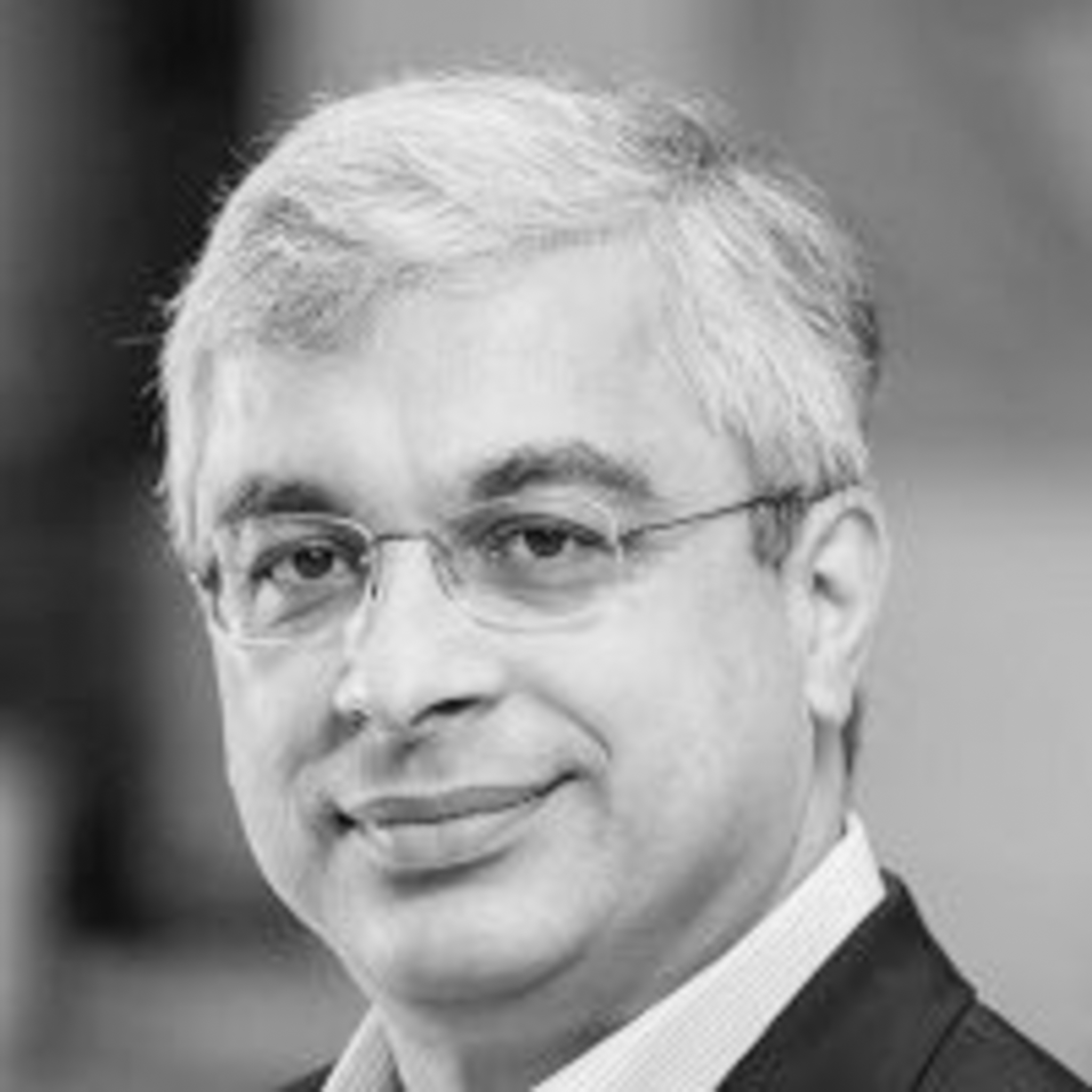
Vikram served as the Global Head of Climate Finance and Policy at the International Finance Corporation (IFC), the private sector focused arm of the World Bank Group. During his 25-year tenure, he developed and managed IFC’s carbon finance business, including delivering products like the Carbon Delivery Guarantee to bridge credit risk between emerging market sellers and European buyers, and the award-winning Forests Bond that linked interest payments to forestry carbon credits. For a period, he oversaw the Group’s cross-cutting carbon market development work, including the Partnership for Market Readiness (supporting countries preparing carbon pricing programmes), the initiative on the next generation of Networked Carbon Markets, and the Pilot Auction Facility.
-

James Cameron
James, founder of Climate Change Capital, is one of the pioneering climate finance institutions in the early days of the global carbon market. James has been involved in climate change and carbon market issues for many years, as an advisor to the Alliance of Small Island States and to two COP Presidencies, and an advisor to the EU on the creation of the EU Emissions Trading System. He also established Baker & McKenzie’s Global Climate Change and Clean Energy Practice.
-
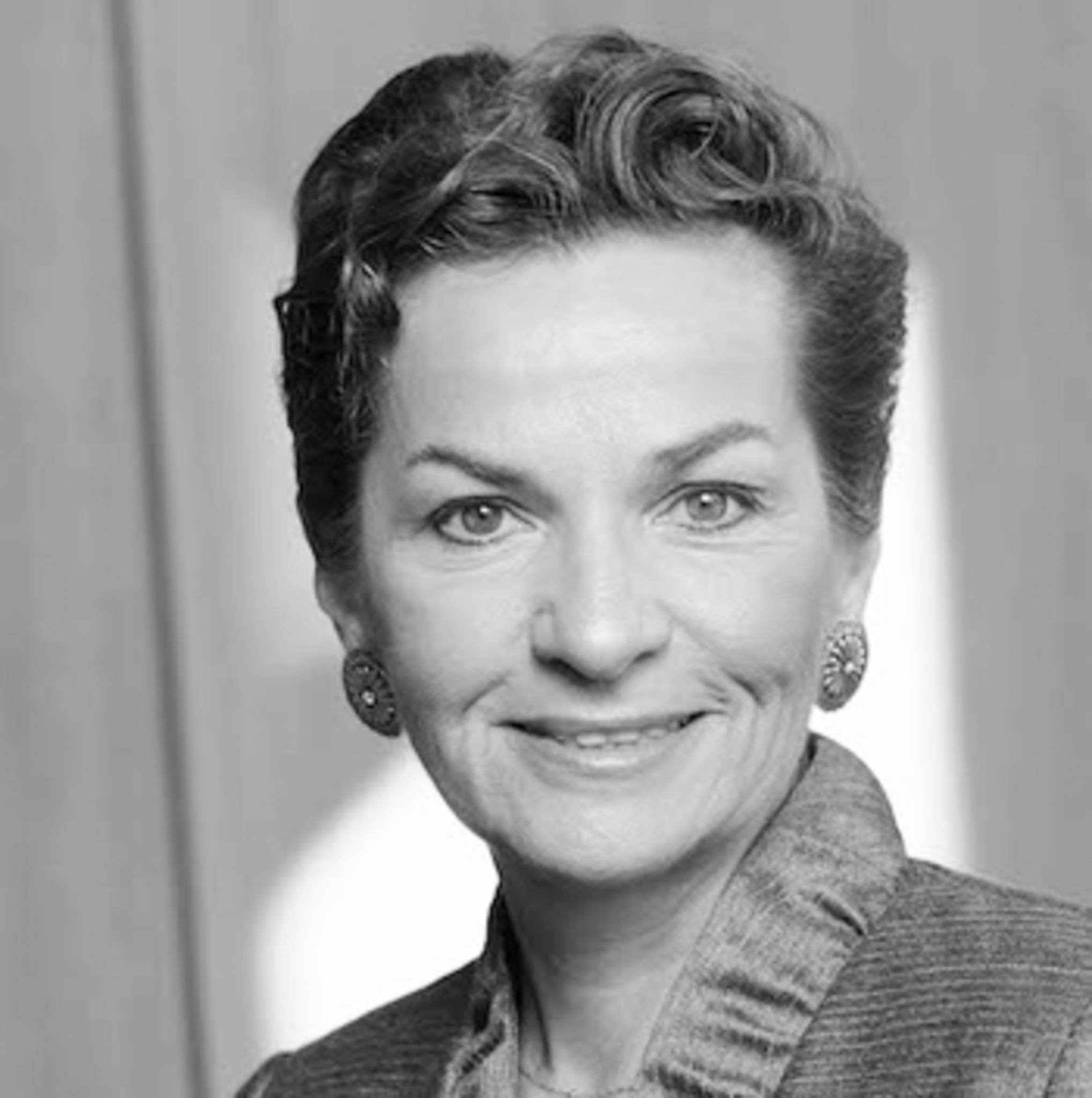
Christiana Figueres
Christiana is former Executive Secretary of the UN Framework Convention on Climate Change – and an early supporter of IETA’s work. Christiana was instrumental in the negotiations leading to the signing of the Paris Agreement in 2015. Before being appointed Executive Secretary, Christiana held a number of key roles in the governance of the UNFCCC, including the Clean Development Mechanism Executive Board.
-
Richard Sandor
Richard is one of the original contributors to the UN Conference on Trade and Development’s Carbon Forum series that led to the creation of IETA. In addition to being a pioneer in financial markets, Richard founded the Chicago Climate Exchange and the European Climate Exchange.
-

Jean-Yves Caneill
Jean-Yves joined Electricité de France (EDF) and launched the first project devoted to the climate issue in 1990 and was head of climate policy from 2005 to 2016. He was heavily involved in the design of the EU ETS directive (organising with Eurelectric real carbon trading simulations and taking an active part in the official consultation launched by EC) and respective compliance efforts at EDF. He started working with IETA when the latter was formed in 1999.
-
Jack Cogen
Jack was the founder and CEO of Natsource, which as an asset manager of carbon credit projects had over $1.2 billion in assets under management and in capital committed during the first Kyoto Protocol investment period. Jack originated, structured and syndicated some of the largest project-based carbon transactions in the world. From 2008 through 2010, Jack was Chairman of IETA.
-
Rutger de Witt Wijnen
Rutger was nominated in recognition of his contributions to the legal infrastructures around the carbon market, from the early days of the Dutch government’s carbon finance programmes to the Green Climate Fund, and legal support for IETA.
-
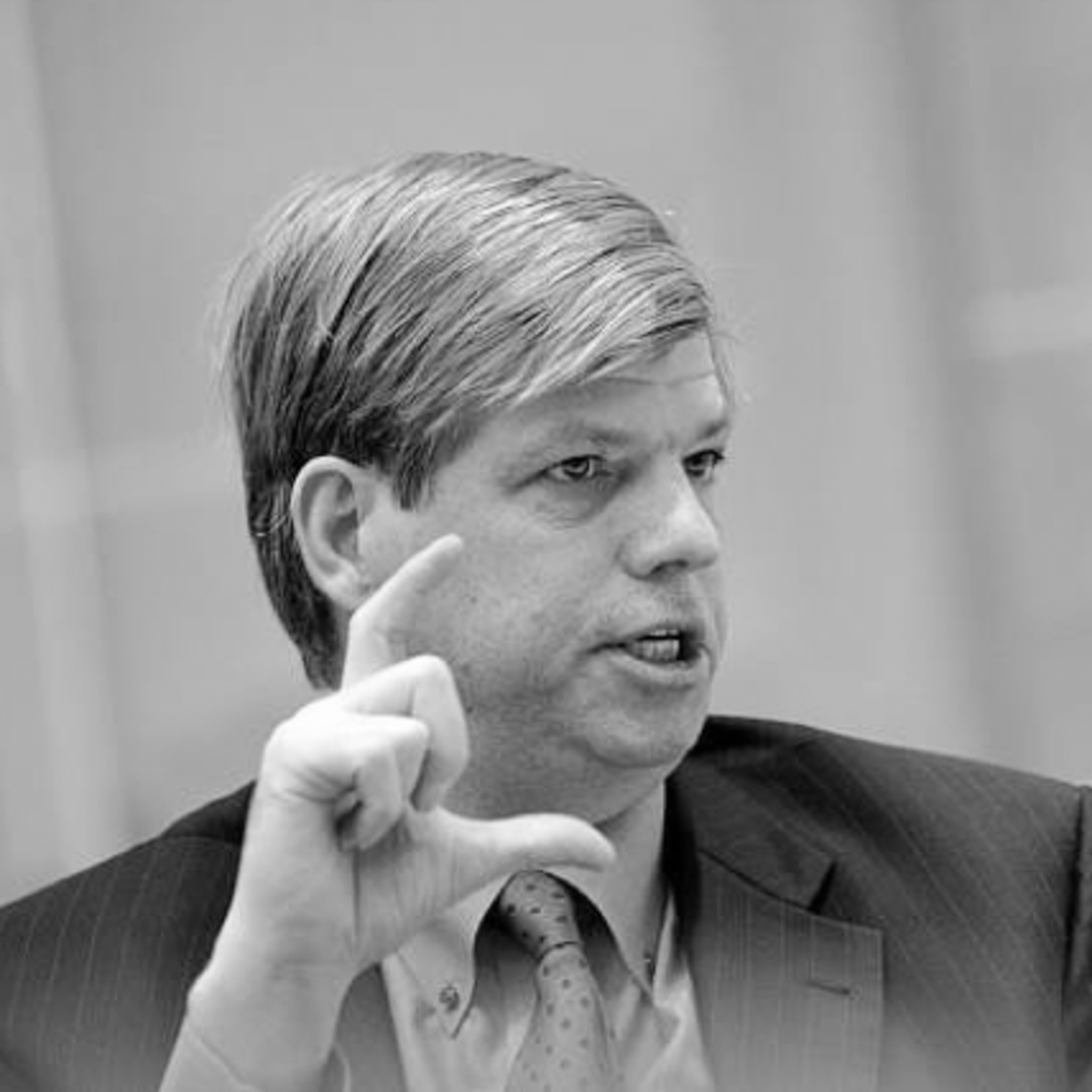
Bruce Braine
Bruce retired from American Electric Power (AEP) in February 2016, after 18 years. During his tenure at AEP, Bruce was chairman of IETA and was an active member of the organisation’s US Working Group, and his fellowship recognises his contribution to IETA.
-
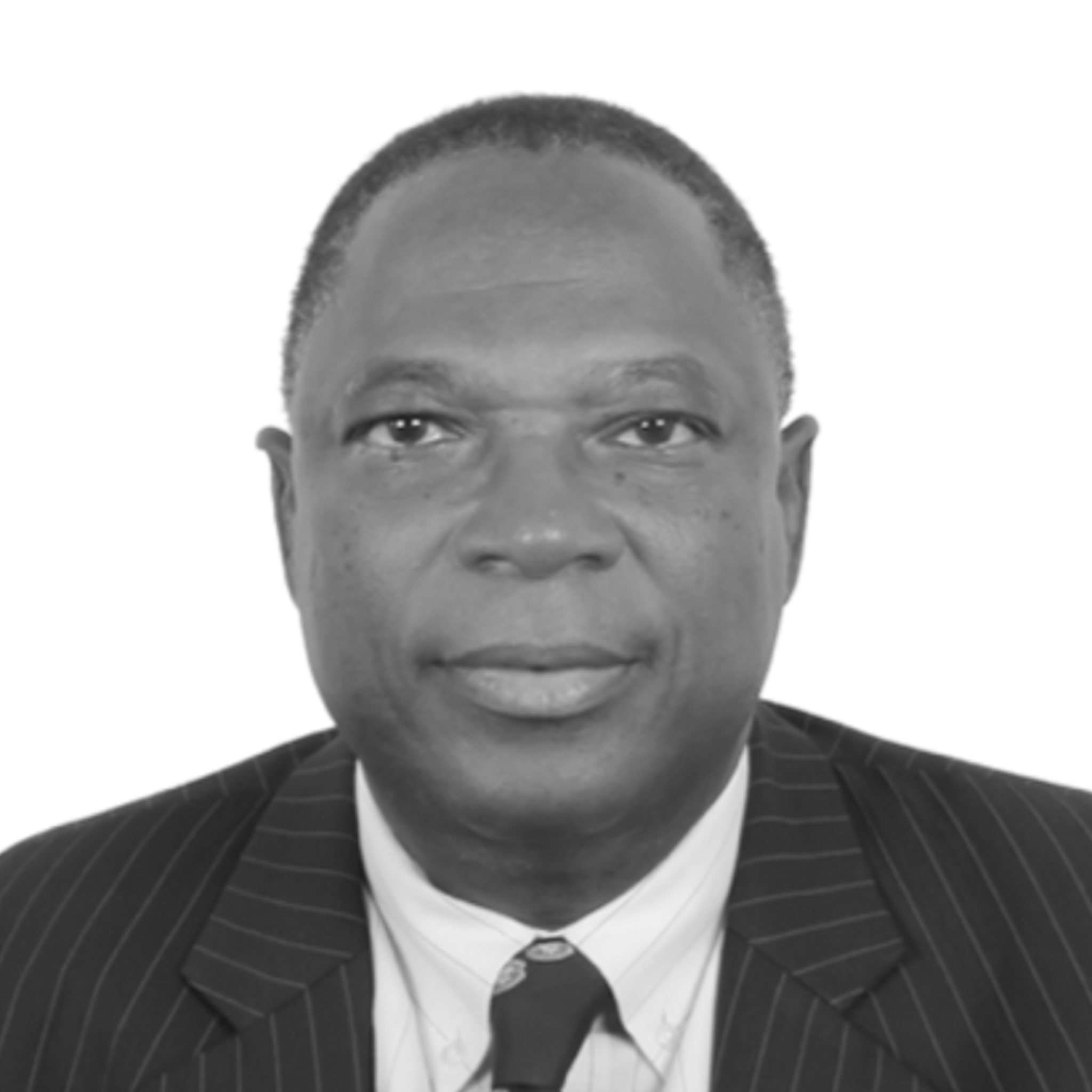
John Kilani
Formerly Director for the Sustainable Development Mechanisms (SDM) Programme of the UNFCCC. John oversaw negotiations on carbon markets, both for the Kyoto Protocol and the Paris Agreement. The SDM Programme was also responsible for supporting the regulatory bodies for the Kyoto project-based mechanisms. John retired from the UNFCCC in 2016.
-
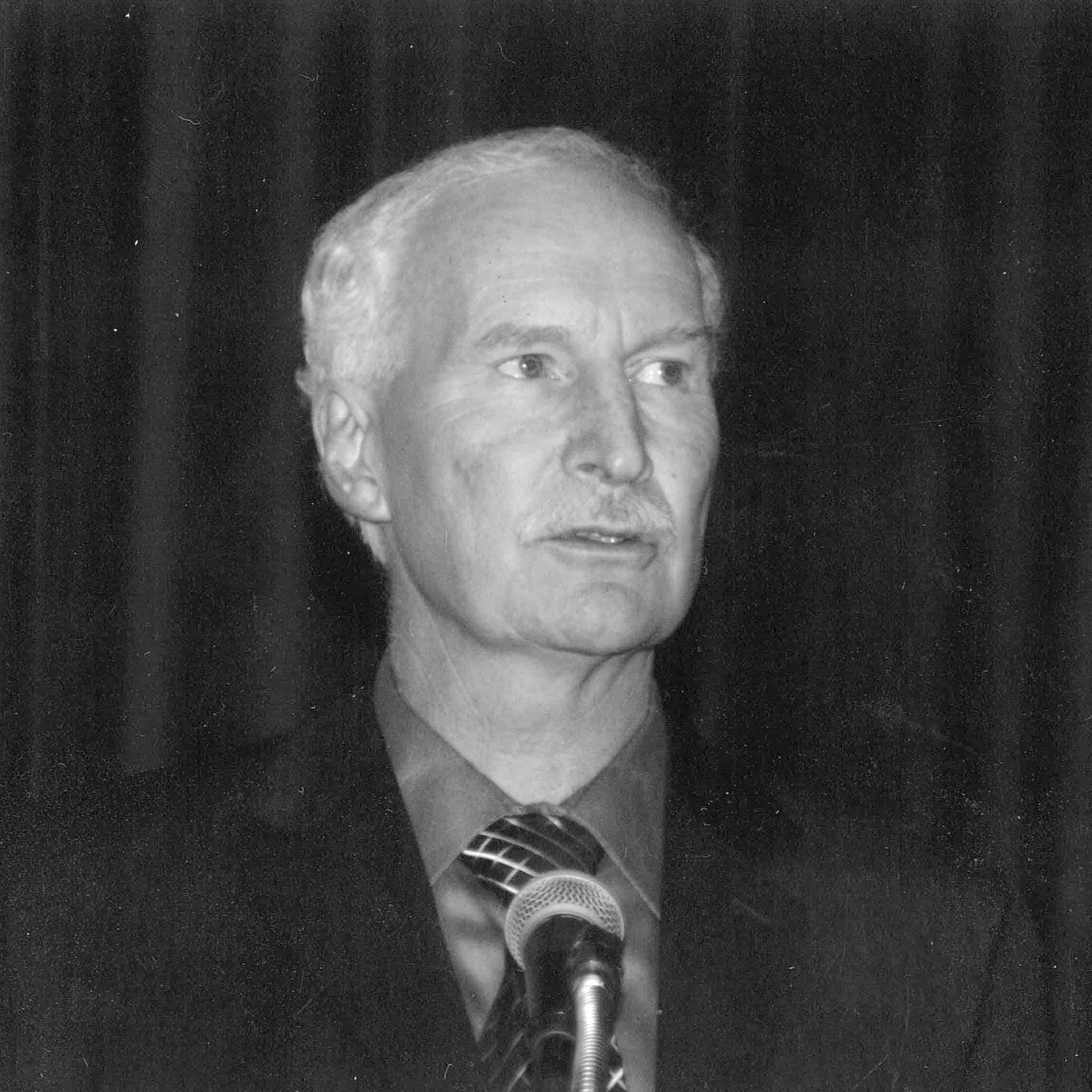
Ken Newcombe
As the former head of the World Bank’s Carbon Finance Unit, Ken developed the business concepts around public-private partnerships for generating and trading greenhouse gas emissions reductions. He designed and managed the first global carbon fund, the Prototype Carbon Fund, and grew the Bank’s carbon finance business to over a billion dollars under management before leaving in early 2006 to join the private sector. Ken was also a member of the small team that designed the multi-billion-dollar Global Environment Facility. He is now CEO and a co-founder of C-Quest Capital, which aims to bring clean energy efficient technologies and sustainable fuels to communities in developing countries.
-

Frank Joshua
Frank was named a Fellow in recognition of his role in establishing IETA in 1999.
-
Pedro Moura Costa
Pedro is recognised for his contribution to developing the carbon market as the co-founder of EcoSecurities, one of the early pioneers of project-based emissions reduction initiatives.
-
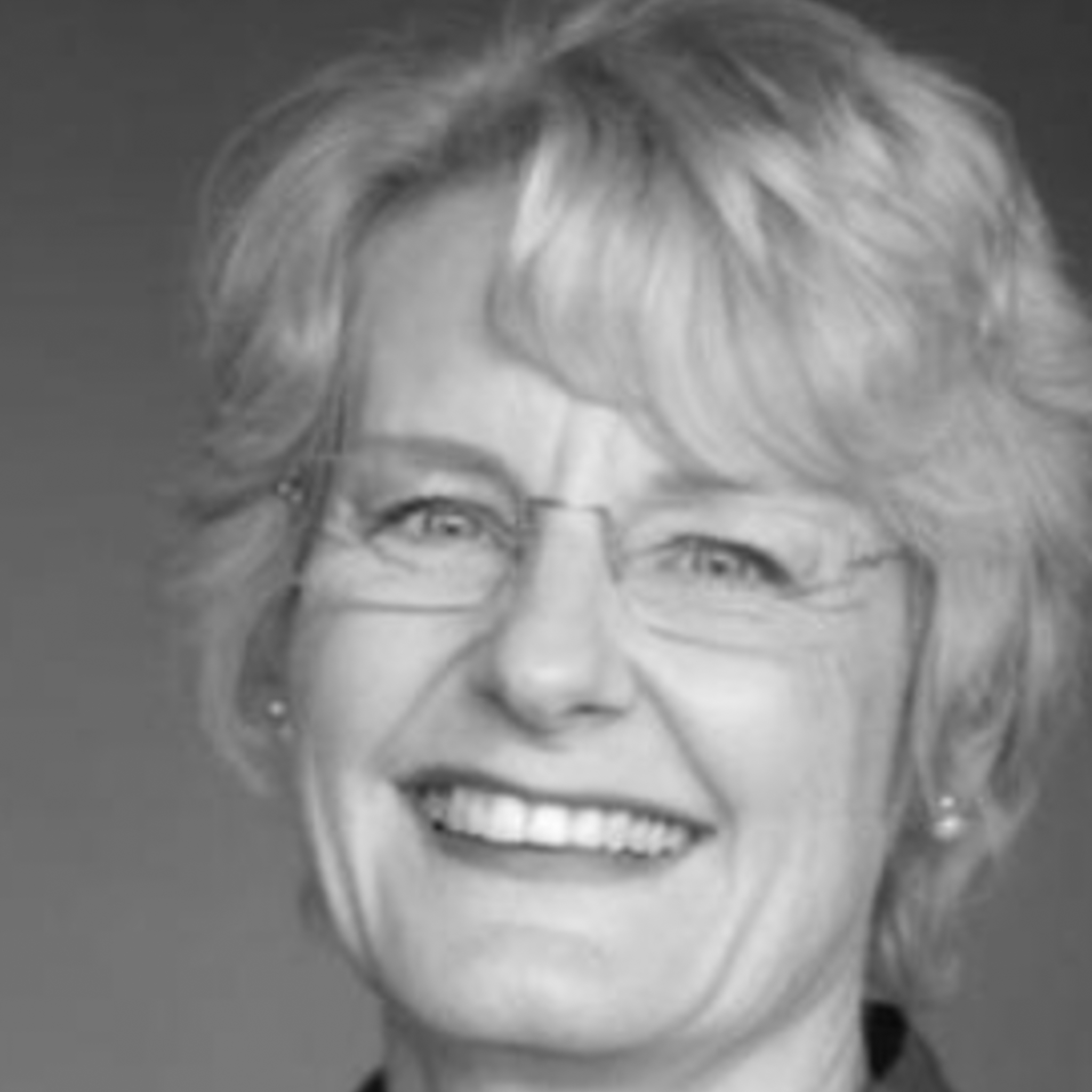
Anne-Marie Warris
Anne-Marie has over 25 years experience in sustainable matters and is a leading expert in climate change and environmental issues. A former IETA board member, she is recognised for her tireless efforts to bring standards and transparency to the wider carbon market, including efforts on shipping and in establishing the first version of the Verified Carbon Standard in 2006.
-
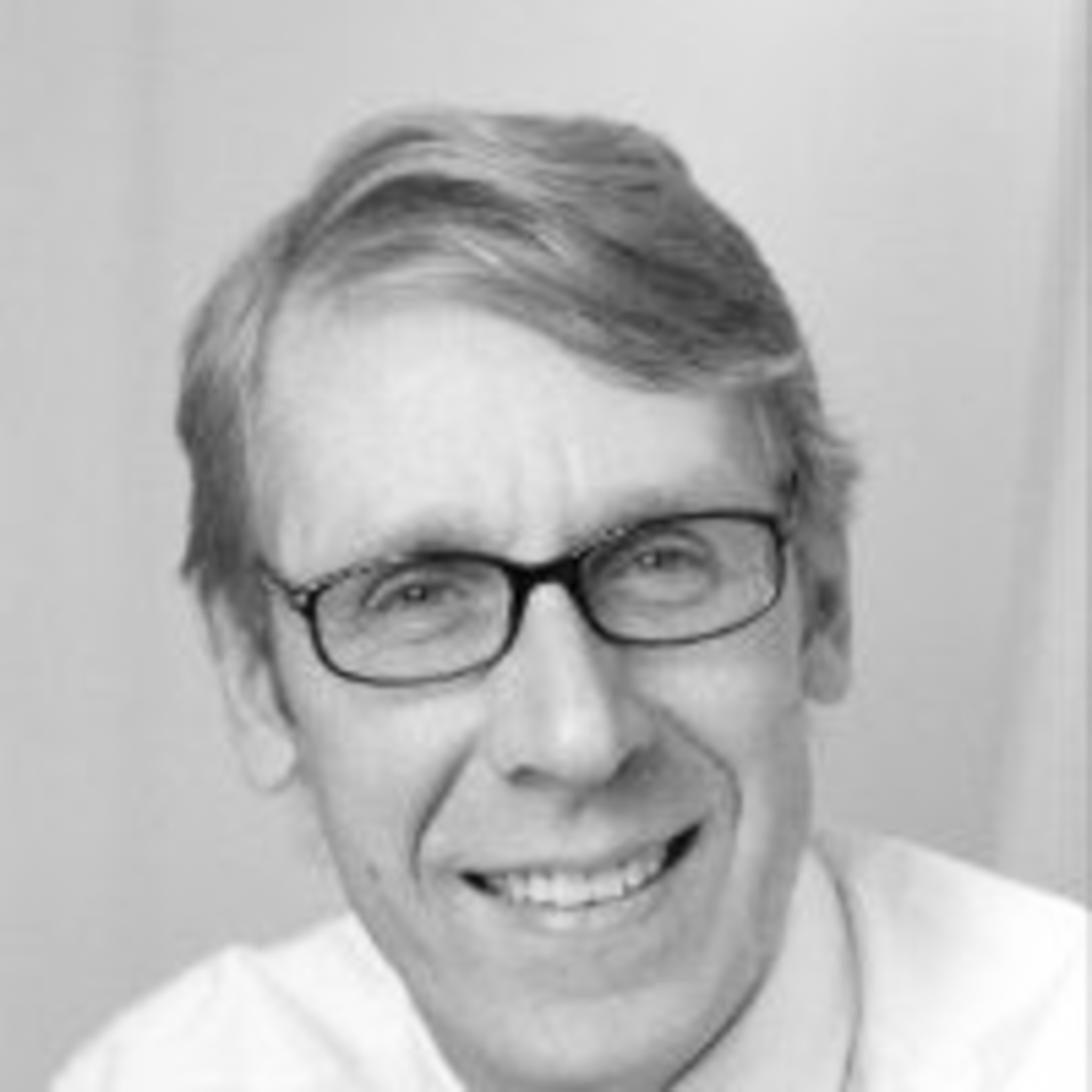
Richard Gledhill
While working as the Global Head of Climate Change Services at PWC, Richard served on the IETA Board and Chaired its Finance and Audit Committee. He helped guide IETA’s strategic direction during the market challenges associated with the global financial crisis. He now works as an independent climate change and international development advisor.
-
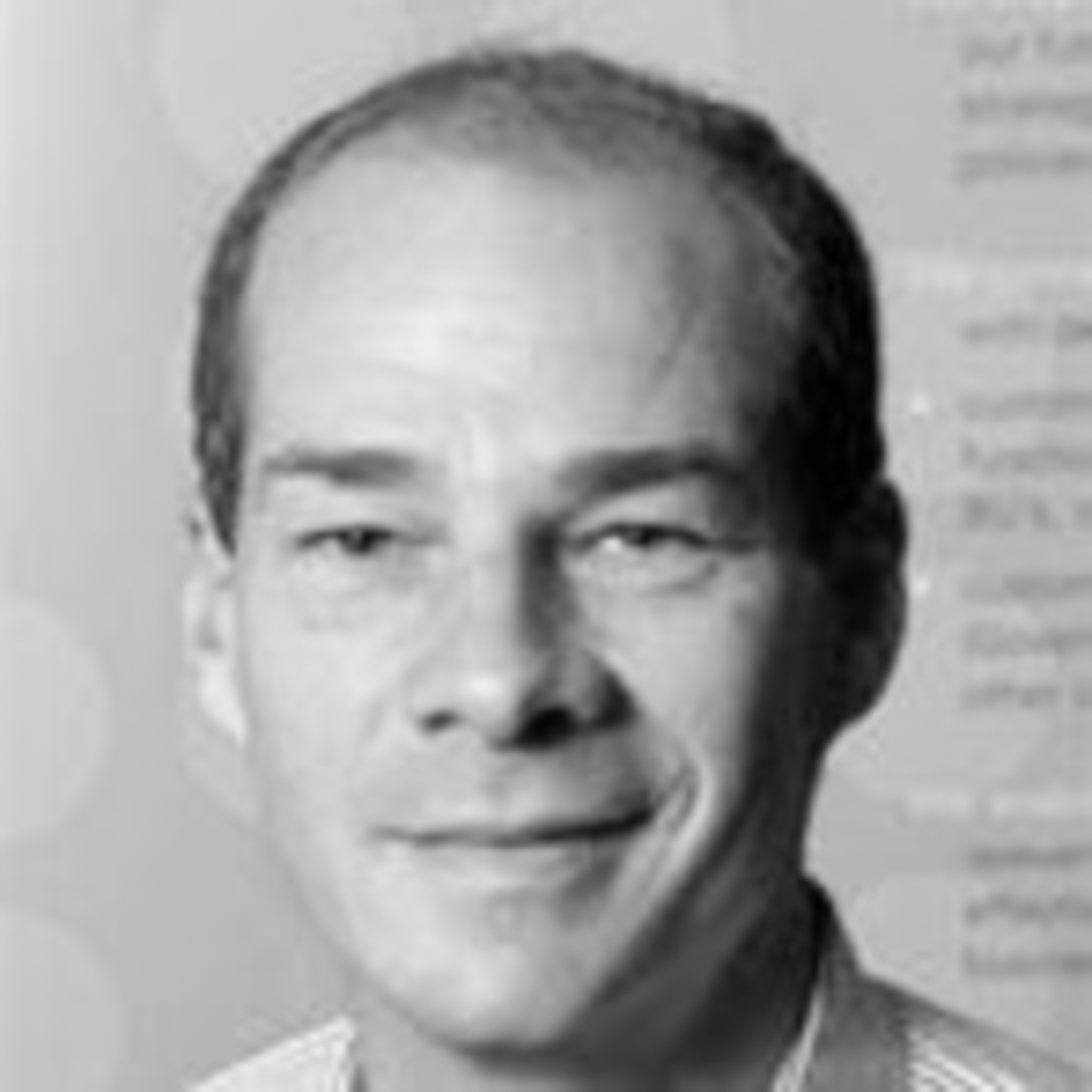
Mark Proegler
A former executive at BP in Houston, Mark served on the IETA Board for many years, and he chaired numerous working groups. His command of business strategy, climate policy and carbon markets helped advance the organisation’s reach into the US.
-
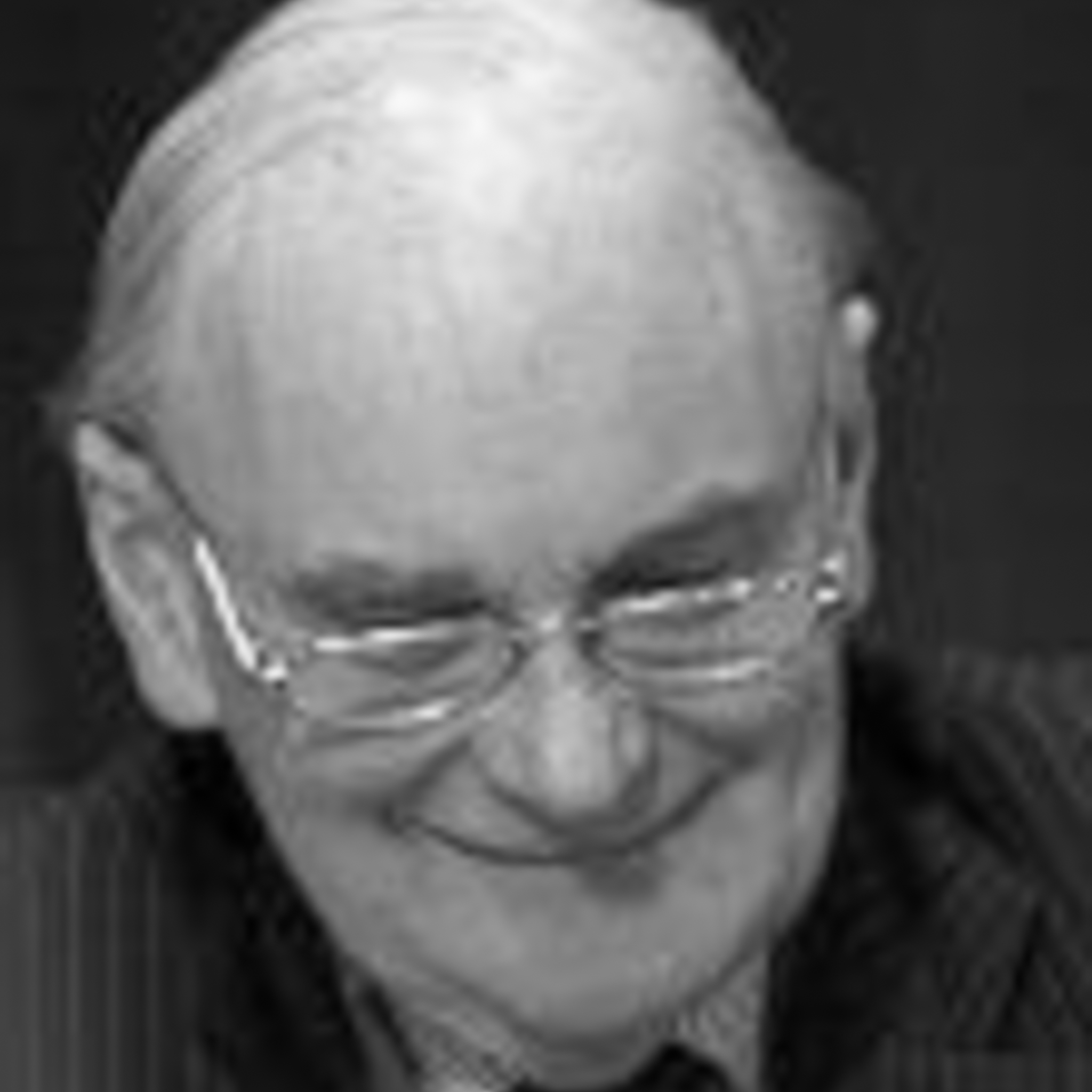
Charles Nicholson
While at BP headquarters, Sir Charles helped launch IETA and shepherd it during its early years. He served on the IETA Board and helped expand the membership ranks in its early years.
-
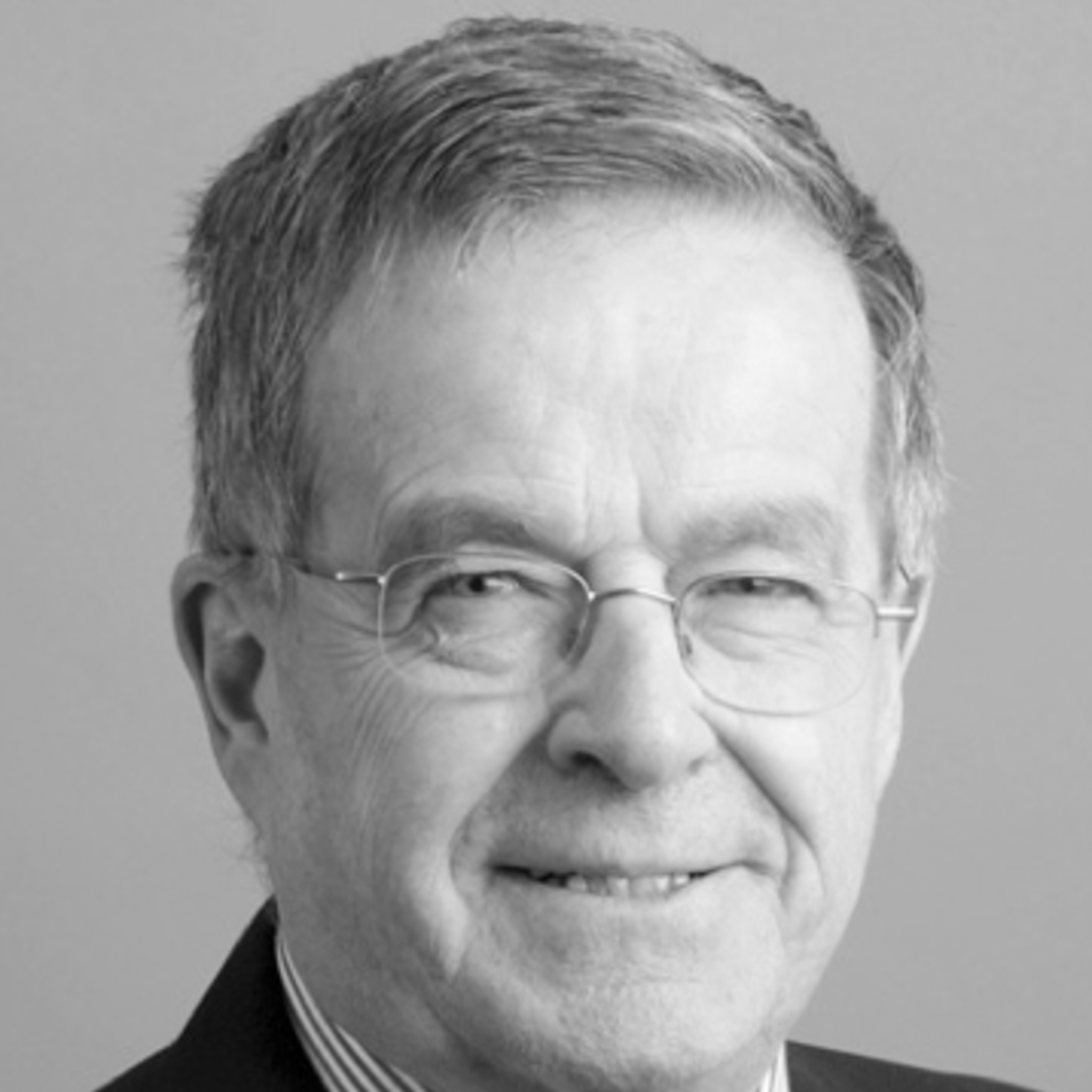
Bob Page
From 1997 to 2007, Bob was Vice President for Sustainable Development at Transalta in Calgary, Alberta. He served as Chair of the IETA Board for a number of years. Bob continues to contribute to environmental standards and reporting at the International Standards Organization.
-
Gudmunder Sigursthorsson
As Senior Vice President of DNV, Gudmundur developed its carbon verification business to support the UN’s Clean Development Mechanism and Joint Implementation programs. He served on the IETA Board, and later as Chairman of the Board of the Verified Carbon Standard.
-
Bill Kyte
Formerly of E.ON and Powergen, Bill participated in numerous IETA working groups. His contributions to the UK emissions trading scheme in the late 1990’s as a leader of the UK “Emissions Trading Group” helped pave the way for the EU ETS. He was awarded an OBE by the Queen in 2003 for ‘services to the environment in the power sector’.
-
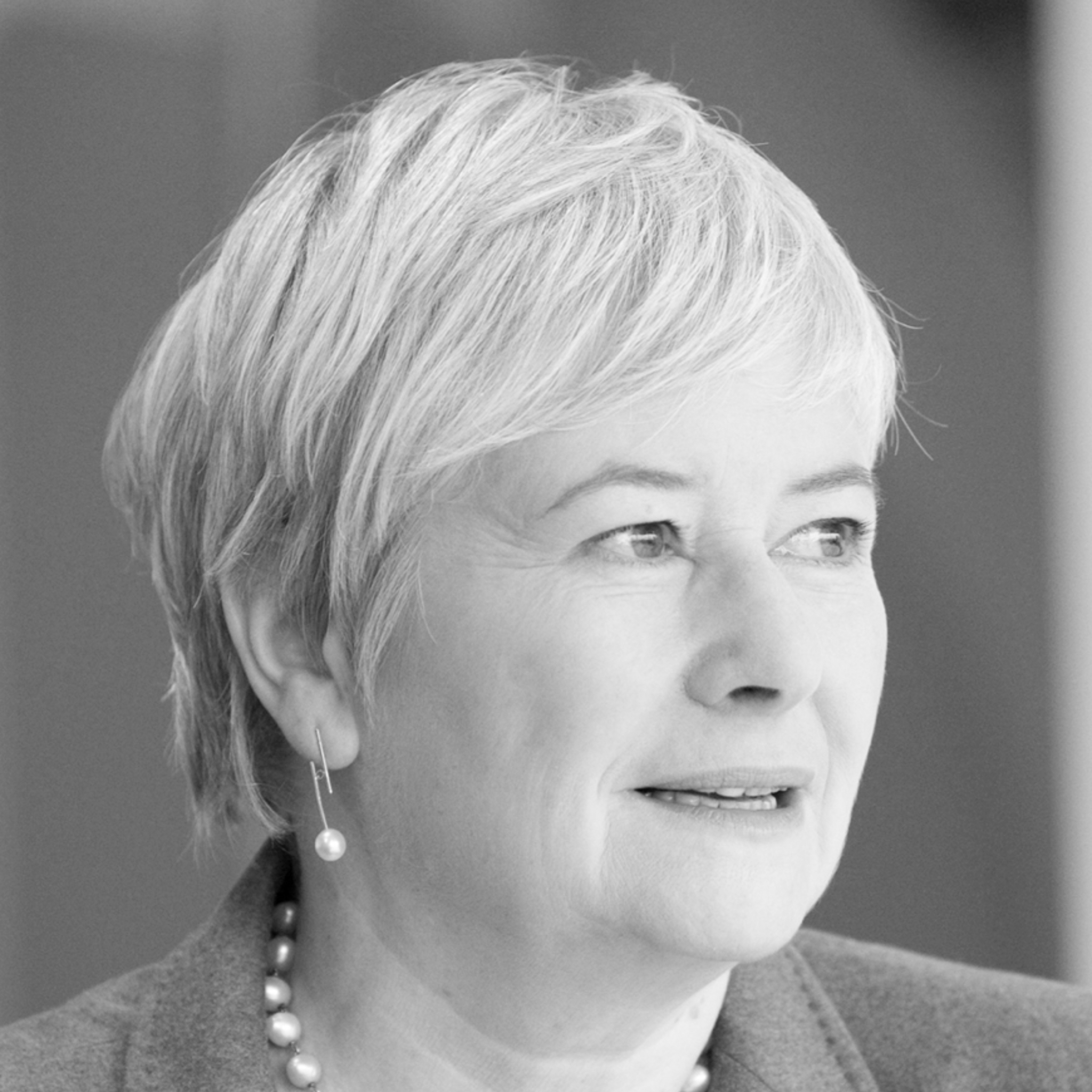
Joan MacNaughton
Formerly of Alstom, Joan served on the IETA Board. As a former UK energy official, she drew upon deep experience in the interactions of policy, technology, finance and markets. Joan continues to provide thought leadership as Chair of the World Energy Trilemma at the World Energy Council.
-
Dirk Forrister
Formerly of Natsource, Dirk led IETA’s CDM working group in its early days – and later led its Market Oversight Working Group. Previously, he worked in the US government as Chair of the White House Climate Change Taskforce under President Clinton. After being named a Fellow, Dirk returned to IETA in 2012 as President and CEO.
-

Marc Stuart
As a co-founder of EcoSecurities, Marc helped lead one of the largest project developers in the early carbon market. Marc served on the IETA Board and chaired the Board of the Verified Carbon Standard. He is now Founding Partner and CEO of Allotrope Partners, a California firm specialising in the transition to a sustainable energy future.
-
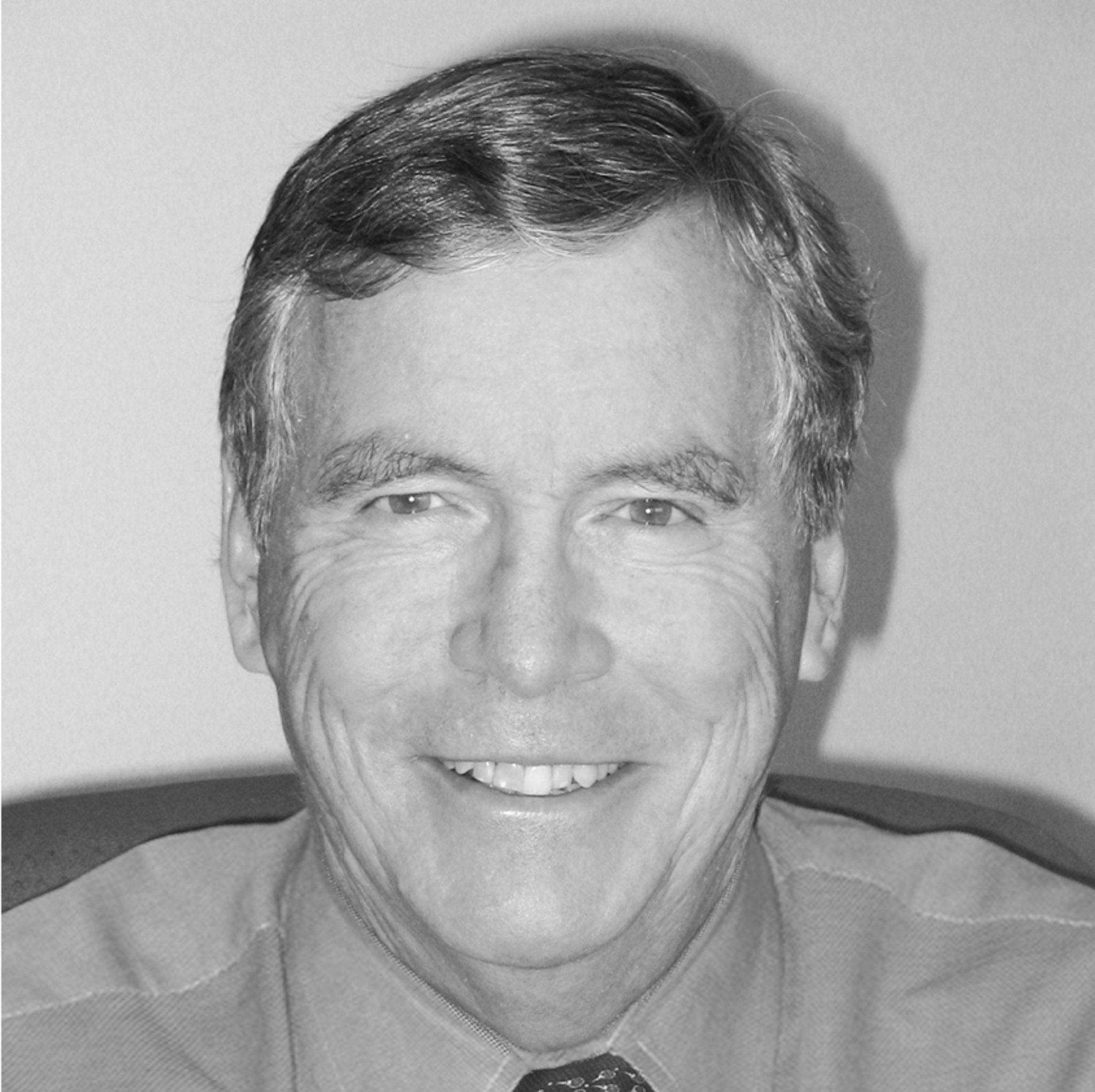
Errick “Skip” Willis
A longtime champion of carbon market solutions while at ICF in Toronto, Skip was a fixture in Canadian climate policymaking. He passed away in 2011, just weeks after being named to the first class of IETA Fellows. In his memory, a group of IETA members and friends established the Skip Willis Undergraduate Scholarship at the University of Toronto’s School of the Environment, where his legacy of mentorship in sustainability continues.