Jul 15, 2026
Indonesia Opens a New Chapter for the Voluntary Carbon Market, with support from IETA’s B-PMI
Last week, Indonesia reached an important milestone in building a credible, transparent, and internationally connected carbon market, with the launch of Indonesia’s Forestry Carbon Hub, the first carbon credits under Indonesia’s revised regulations, and the national carbon registry (SRUK). Together, these developments mark a significant step toward operationalising the voluntary carbon market in Indonesia and creating the infrastructure needed for high-integrity carbon transactions.
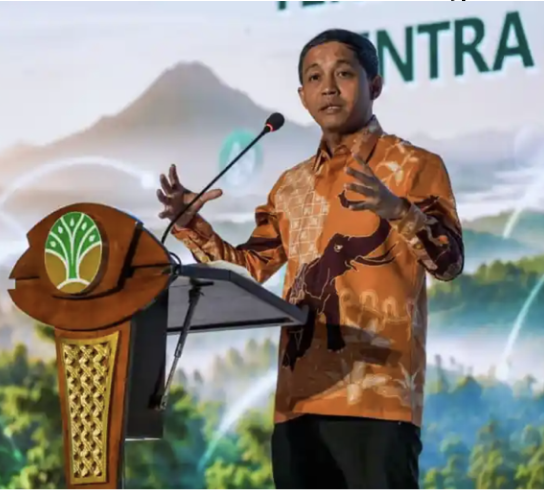
The launch of the Indonesia Forestry Carbon Hub on Monday, 6 July 2026 saw the first ministerial approvals for forest carbon projects to proceed with carbon credit issuance under international standards since the effective moratorium began in 2021.
In his keynote speech at the launch event, Minister of Forestry, Raja Juli Antoni, highlighted the ongoing collaboration with IETA’s B-PMI following the Memorandum of Understanding signed with the Ministry in October 2025, stressing that “a high-integrity carbon market can only be achieved if we collaborate across many different stakeholders”.
Four projects were approved in this initial stage, covering roughly 225,000 hectares of peatlands and rainforest in Indonesia, which combined are expected to issue more than 30 million carbon credits over the relevant verification period through Verra and Plan Vivo. [1] Simultaneously, the Government of Indonesia also announced the signing of a Memorandum of Understanding (MOU) with Singapore, signalling both countries’ commitment to work together on international carbon markets under Article 6 to accelerate climate action.
These key developments follow the overarching revision of Indonesia’s carbon market regulation by the President of Indonesia, Prabowo Subianto, launched in October last year, and the new Carbon Trading Procedures for the Forestry Sector, launched in April this year.[2]
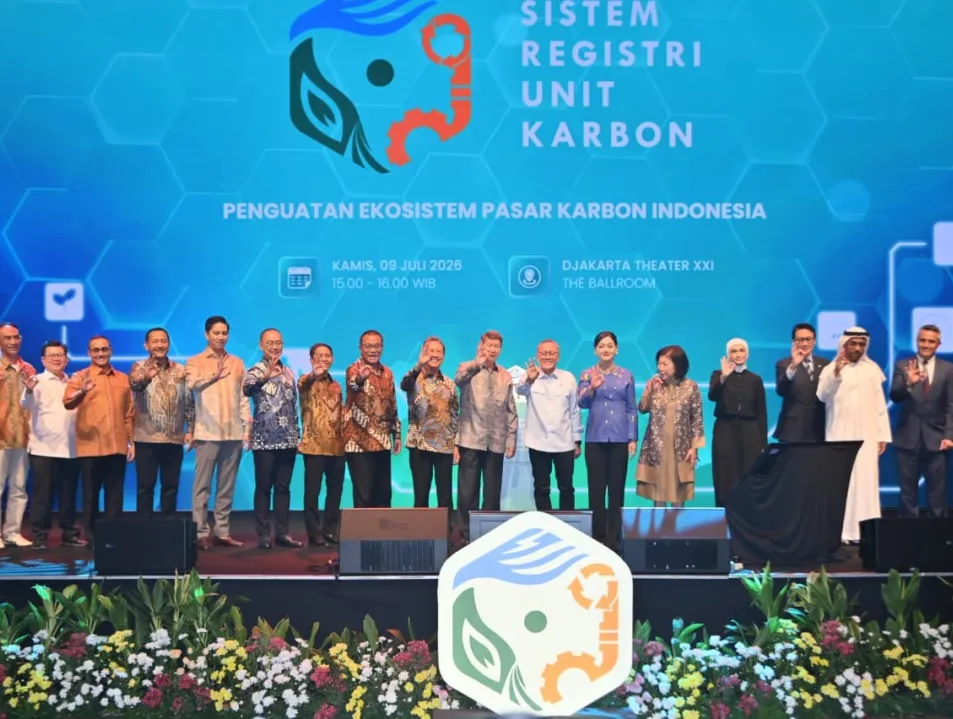
The momentum kept building on Thursday, 9 July 2026, with the launch of Indonesia’s new registry (SRUK) which will act as a central repository for the issuance, use, tracking and trading of carbon credits in Indonesia. [3] SRUK is designed to strengthen market integrity by enabling traceability across the carbon credit lifecycle, supporting rigorous measurement, reporting, and verification, and helping prevent double counting and fraud. [4] The system is also intended to connect with domestic and international registry systems, including Indonesia’s carbon exchange infrastructure, to improve transparency and investor confidence. This is the first national carbon registry in the world developed in accordance with the G20’s Common Carbon Credit Data Model from the outset – underscoring the importance of international interoperability to reduce market fragmentation. [5]
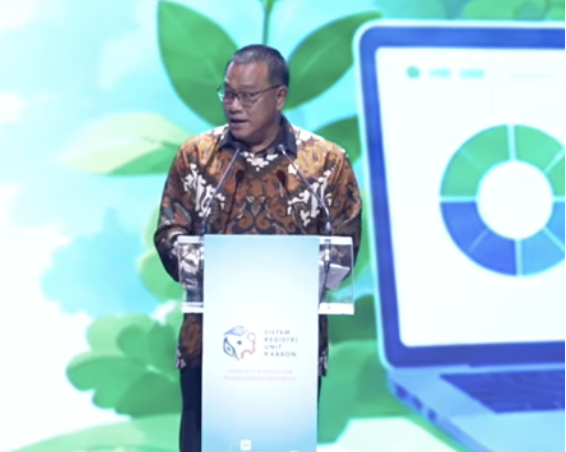
“SRUK will be the central hub connecting the instruments and participants of Indonesia’s carbon market, ensuring that the benefits of credible, high-integrity carbon value reach communities on the ground and bring climate justice to all Indonesians. This reflects our shared commitment to leaving no one behind,” said Indonesia‘s Minister of Environment, Mohammad Jumhur Hidayat.
IETA welcomes these important steps towards an open and interoperable carbon market of high integrity, which can play a key role in catalysing finance for Indonesia’s sustainable development. The pairing of a domestic emissions trading scheme for heavy emitting sectors with verified carbon projects, and international carbon market transactions under Article 6, can unlock billions of dollars in green investments.
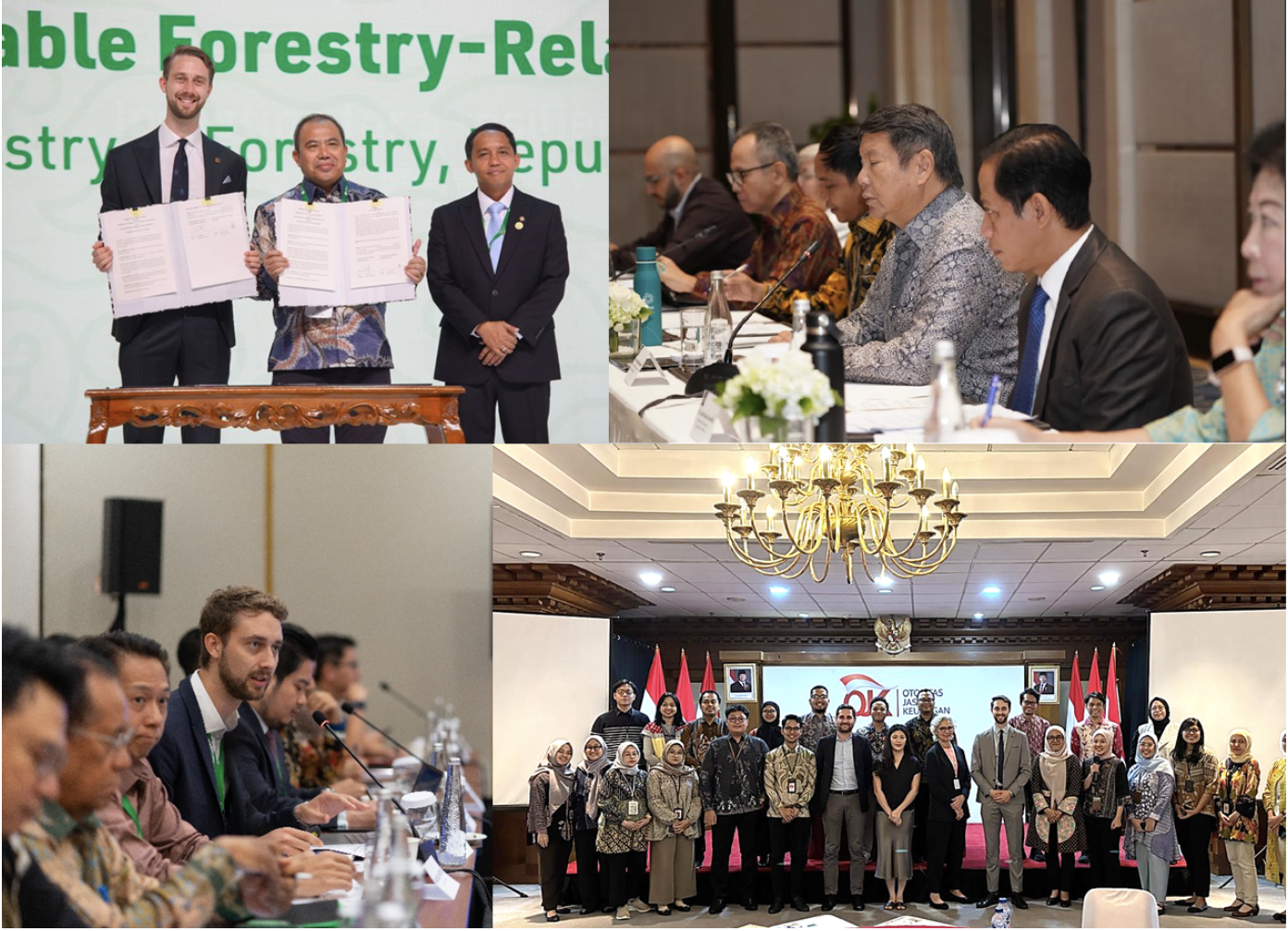
Over the last three years, IETA has been actively supporting the advancement of Indonesia’s carbon markets through its Business Partnership for Market Implementation (B-PMI). With the support of B-PMI, several high-level roundtables, capacity-building sessions and conversations have been convened in Jakarta, London, New York and Singapore, to facilitate public-private partnerships, unlock regulatory barriers and scale up low-carbon investments. Best-practice examples, case studies, whitepapers and policy reports have also been produced and shared with key stakeholders to strengthen international alignment.
This launch of Indonesia’s carbon markets to international participants reflects sustained work by many actors across government, project developers, communities, standards bodies, and market participants, and IETA wishes to congratulate all stakeholders involved.
As the policy discussions around voluntary carbon markets now move towards project implementation and international market transactions under Article 6, IETA look forward to continuing our collaboration with the Government of Indonesia through the Business Partnership for Market Implementation.
Together with our members and sponsors, we will continue to support progress towards a market that is transparent, investable, internationally credible, and beneficial for people and nature alike.
Read our position paper, "Unlocking Carbon Markets in Indonesia: The Role of Article 6, International Standards and the ETS in Supporting Green Growth" which was published by IETA's B-PMI in April 2025.
For any questions, do not hesitate to reach out to Björn Fondén, International Policy Manager & APAC Lead at fonden@ieta.org or press@ieta.org.
The full launch of Indonesia’s Forestry Carbon Hub is available here.
The full launch event of Indonesia’s Carbon Registry (SRUK) is available here.
[1] Verra: https://verra.org/verra-to-issue-first-credits-under-indonesias-new-carbon-market-regulations/
[2] Climate Policy Database: https://climatepolicydatabase.org/policies/presidential-regulation-no-1102025-implementation-carbon-economic-value-instruments-and
[3] The Sistem Registri Unit Karbon (SRUK) has been established under Ministry of Environment Regulation No. 10/2026.
[4]The full launch event is available on YouTube here: https://www.youtube.com/watch?v=pvTs9JoqolU
[5] More about the Common Carbon Credit Data Model and CDSC here: https://www.climatedatasc.org/indonesia-launches-first-national-carbon-registry-built-on-the-cdsc-common-carbon-credit-data-model/